The Nile: From the Middle Kingdom to a Roman Province
The Old Kingdom's golden age of unification and pyramids had long since passed into legend; the pharaohs of the Nile would still go through the Hyksos, Amarna and Kush before being absorbed into the Roman world.
Middle Kingdom reunified
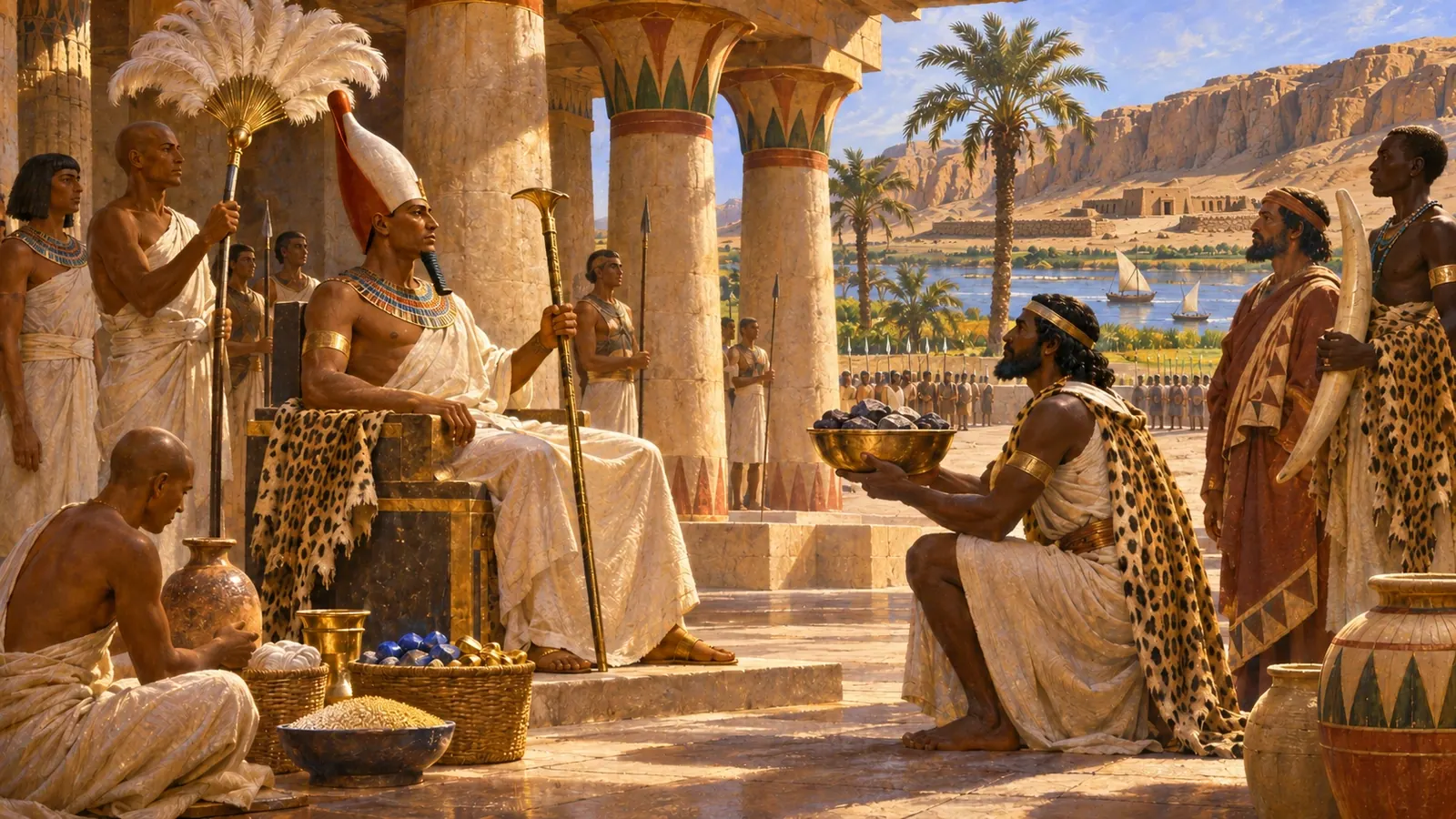
Mentuhotep II ended nearly a century and a half of division in the First Intermediate Period, reunified Upper and Lower Egypt and inaugurated the Middle Kingdom. The Old Kingdom's golden age of nearly a thousand years earlier, when Narmer united the two lands and Khufu built the Great Pyramid at Giza, had long since become legend; the tradition of a unified realm and colossal tombs was from then on deeply rooted in Egypt's political imagination.
Beginning of the New Kingdom
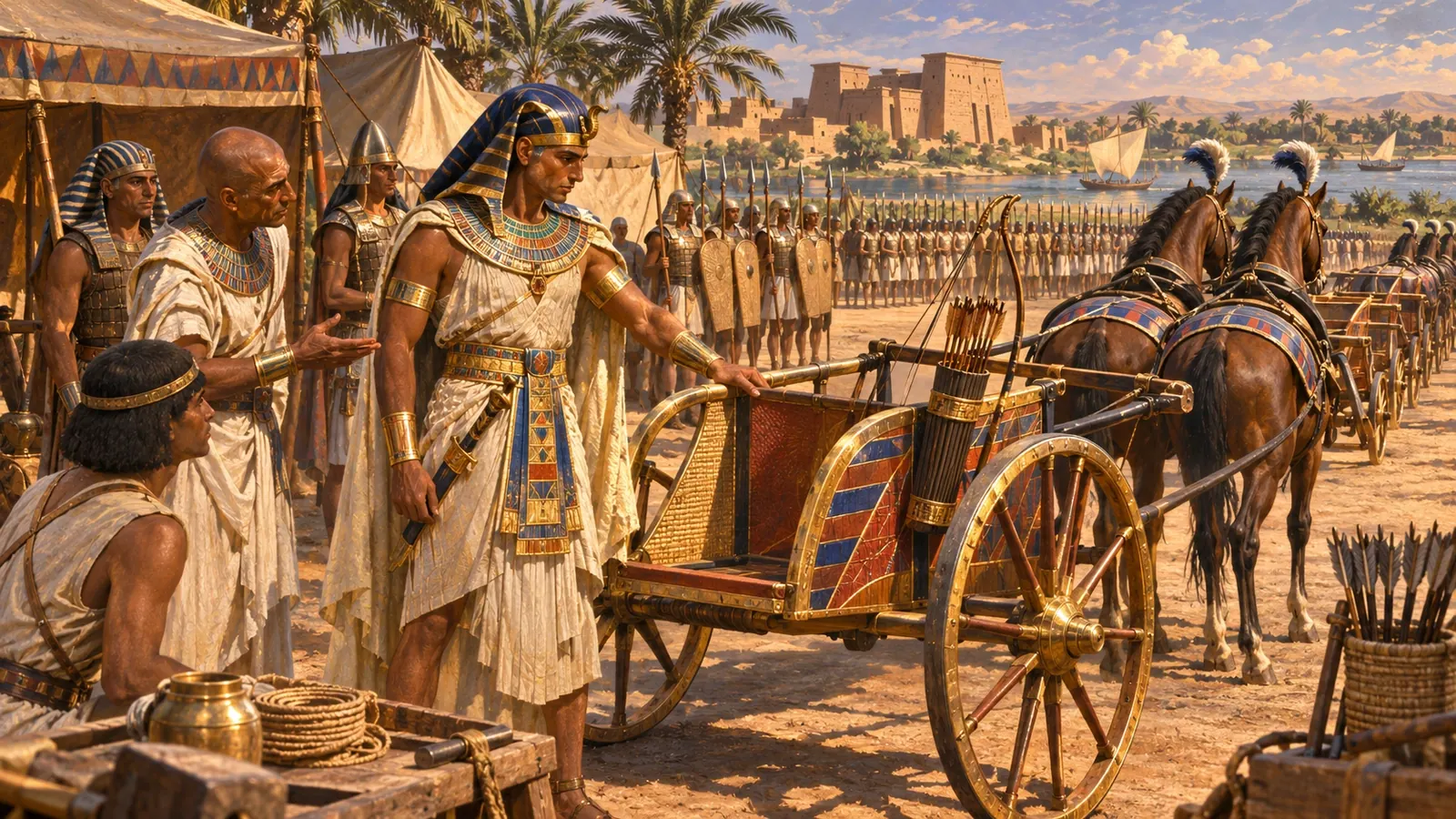
The Hyksos from Western Asia, with the technological edge of chariots and composite bows, had held the Nile Delta for more than a century; Ahmose I finally expelled them, and the Eighteenth Dynasty reunified Egypt and for the first time extended its territory into Nubia and Syria-Palestine. Egypt went from a river-valley state to a major empire of the eastern Mediterranean, and from then on inherited the chariot technology the Hyksos had brought.
Thutmose III's Battle of Megiddo
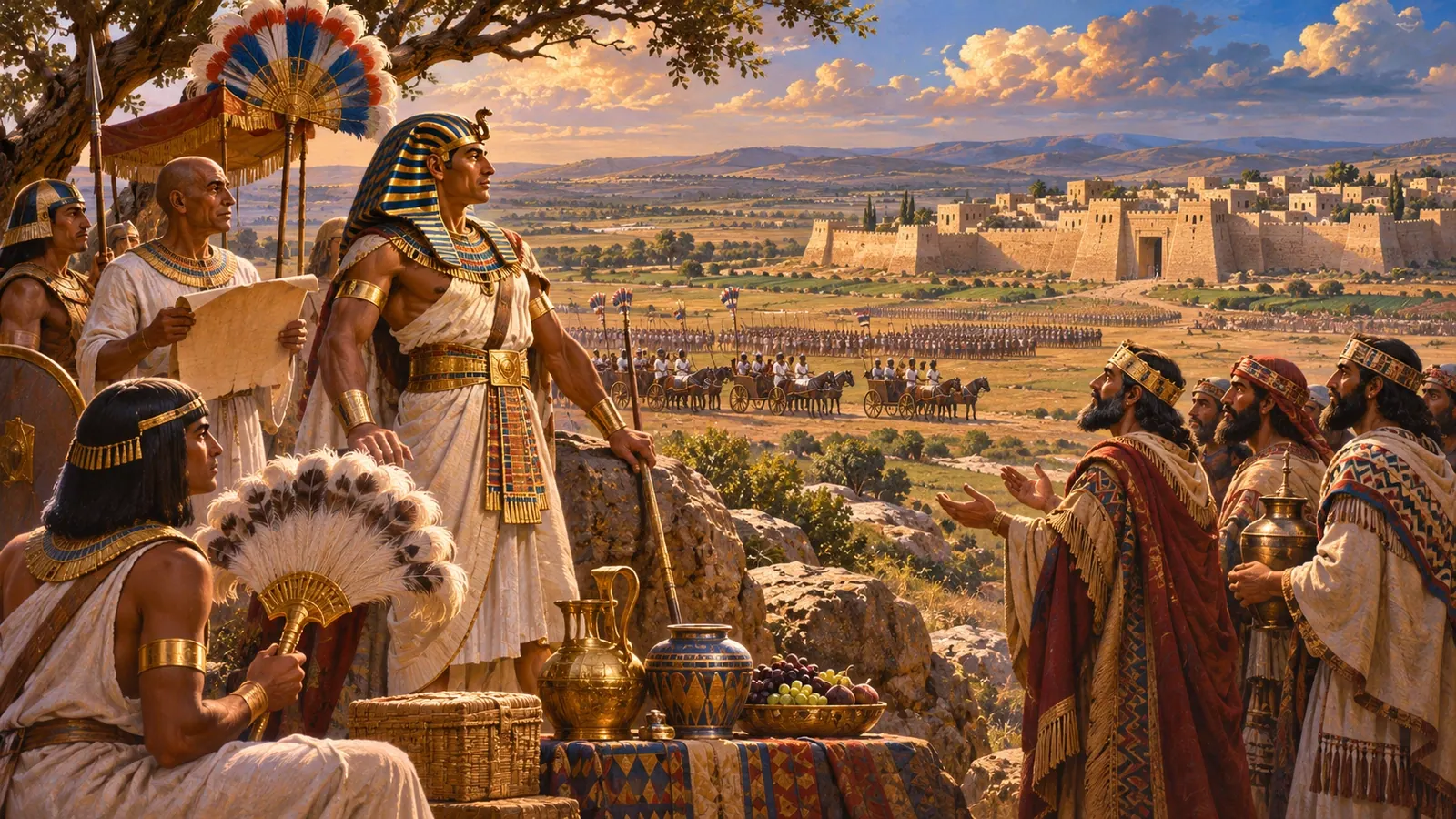
Thutmose III led his army through a pass of Mount Carmel to launch a surprise attack on the Canaanite coalition beneath the walls of Megiddo, establishing Egyptian hegemony over Syria-Palestine in a single battle. Over the next twenty years or so he campaigned east seven times, pushing the New Kingdom's frontiers to their greatest extent ever; later historians called him "the Napoleon of ancient Egypt."
The Amarna reforms
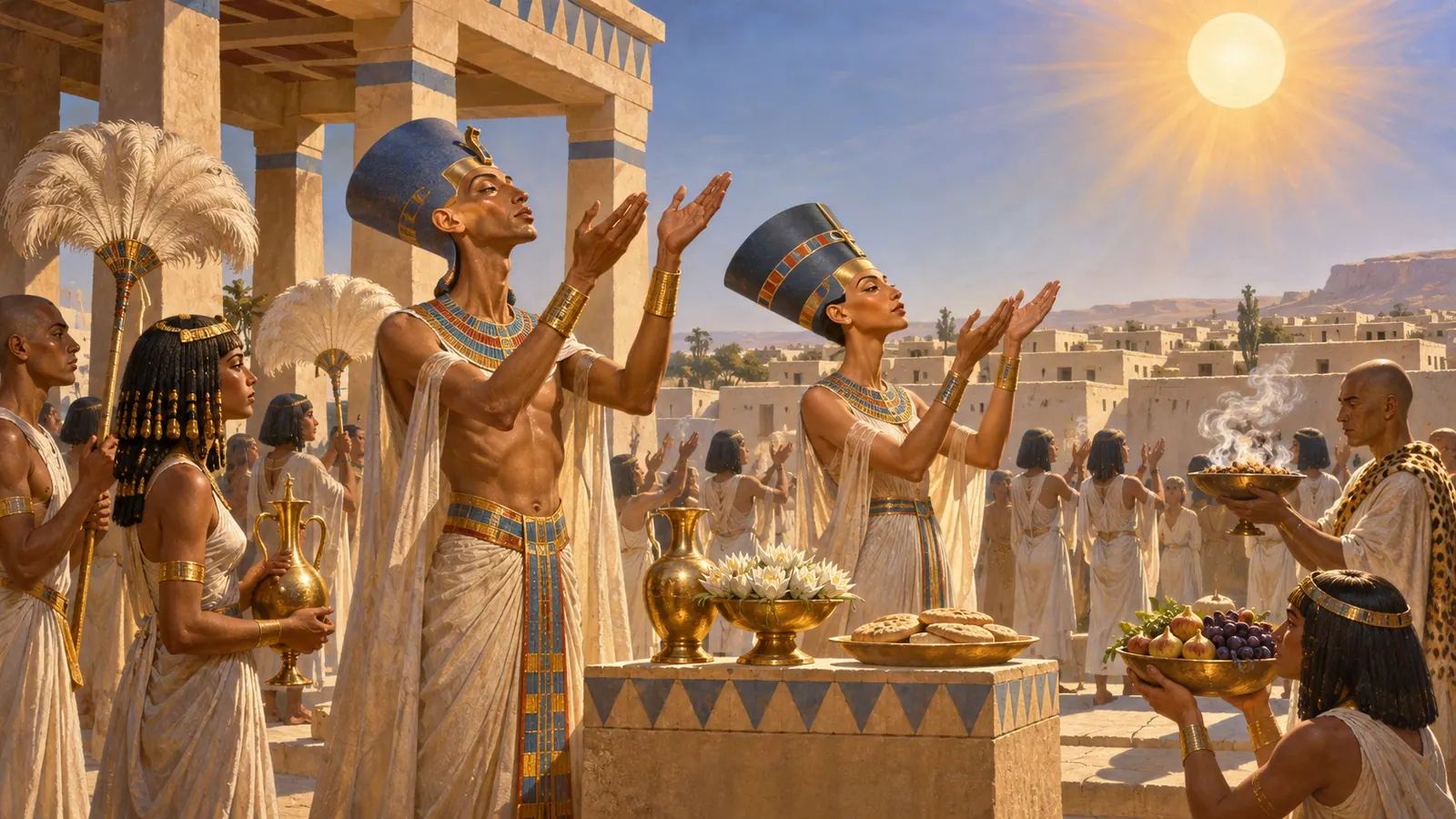
The pharaoh Akhenaten exalted the Aten as the sole god, moved the capital to Amarna and suppressed the traditional priesthood of Amun. This radical experiment in monotheism lasted little more than a decade and was completely overturned after his death; the name of his son Tutankhamun was later nearly erased from the historical record.
Ramesses II
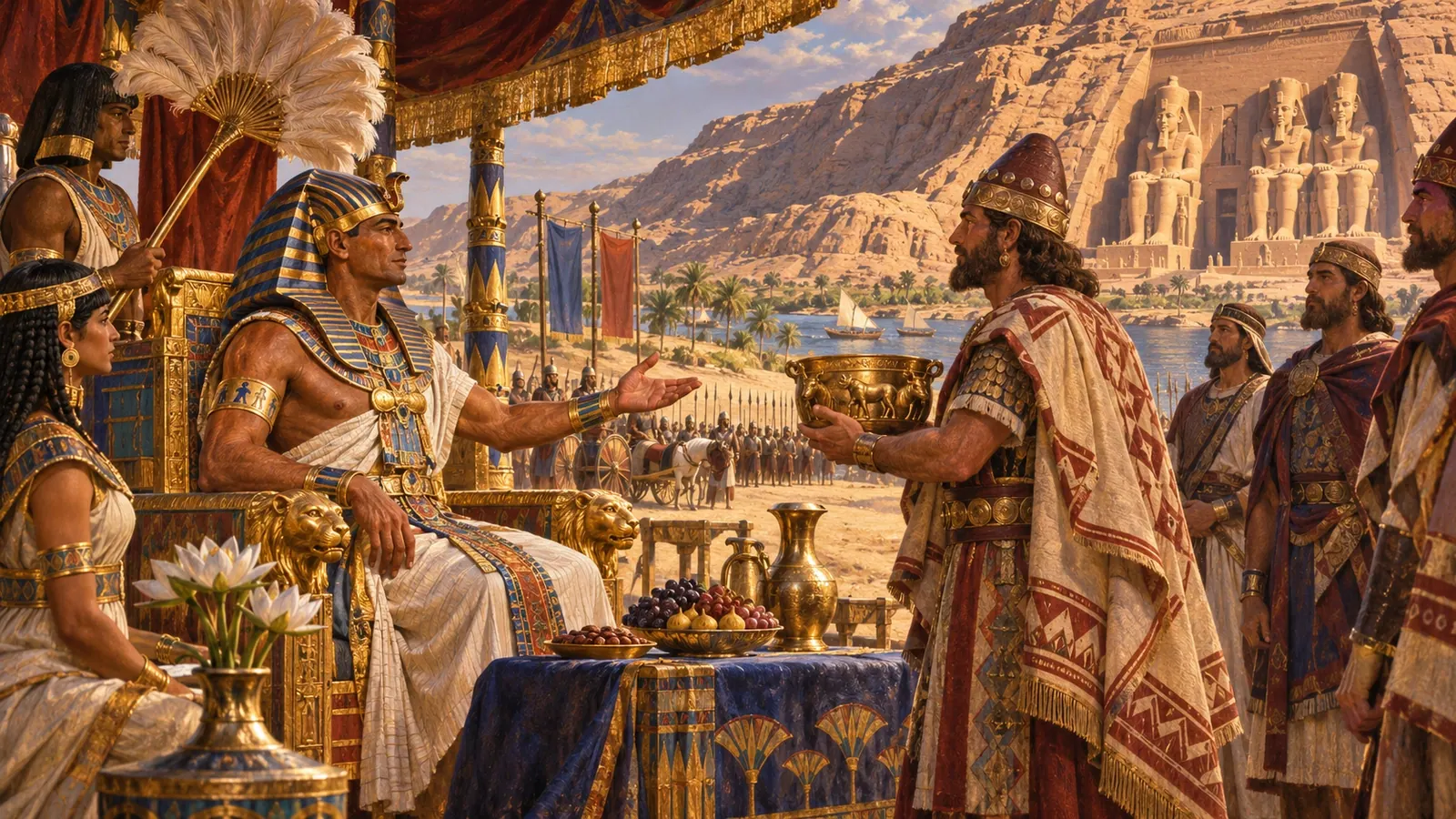
Ramesses II reigned for sixty-seven years, signed one of the earliest known peace treaties with the Hittites, and carved colossal statues at Abu Simbel to deify himself. Egypt under his rule was at the zenith of its power, and it was the last truly glorious period of the New Kingdom.
Kush's 25th Dynasty takes over Egypt
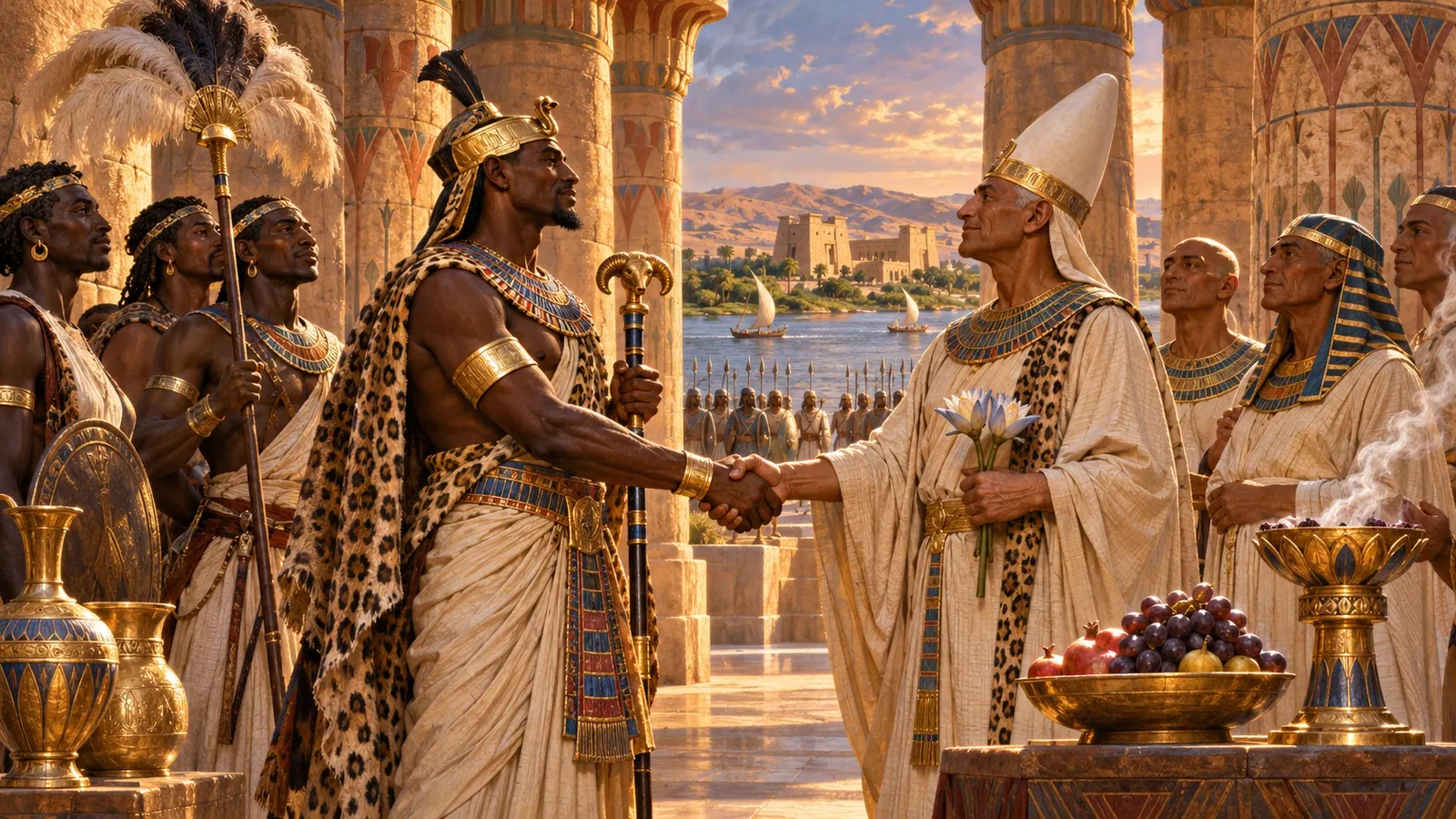
After the long division of the Third Intermediate Period, established by Libyans, Piye, king of Kush from Nubia, led his army north, unified all of Egypt and founded the 25th Dynasty. The "Black Pharaohs" revived the ancient pyramid tradition and the worship of Amun, but only a century later they were driven back to their Nubian homeland by the iron-clad forces of Assyria.
Founding of the Ptolemaic dynasty
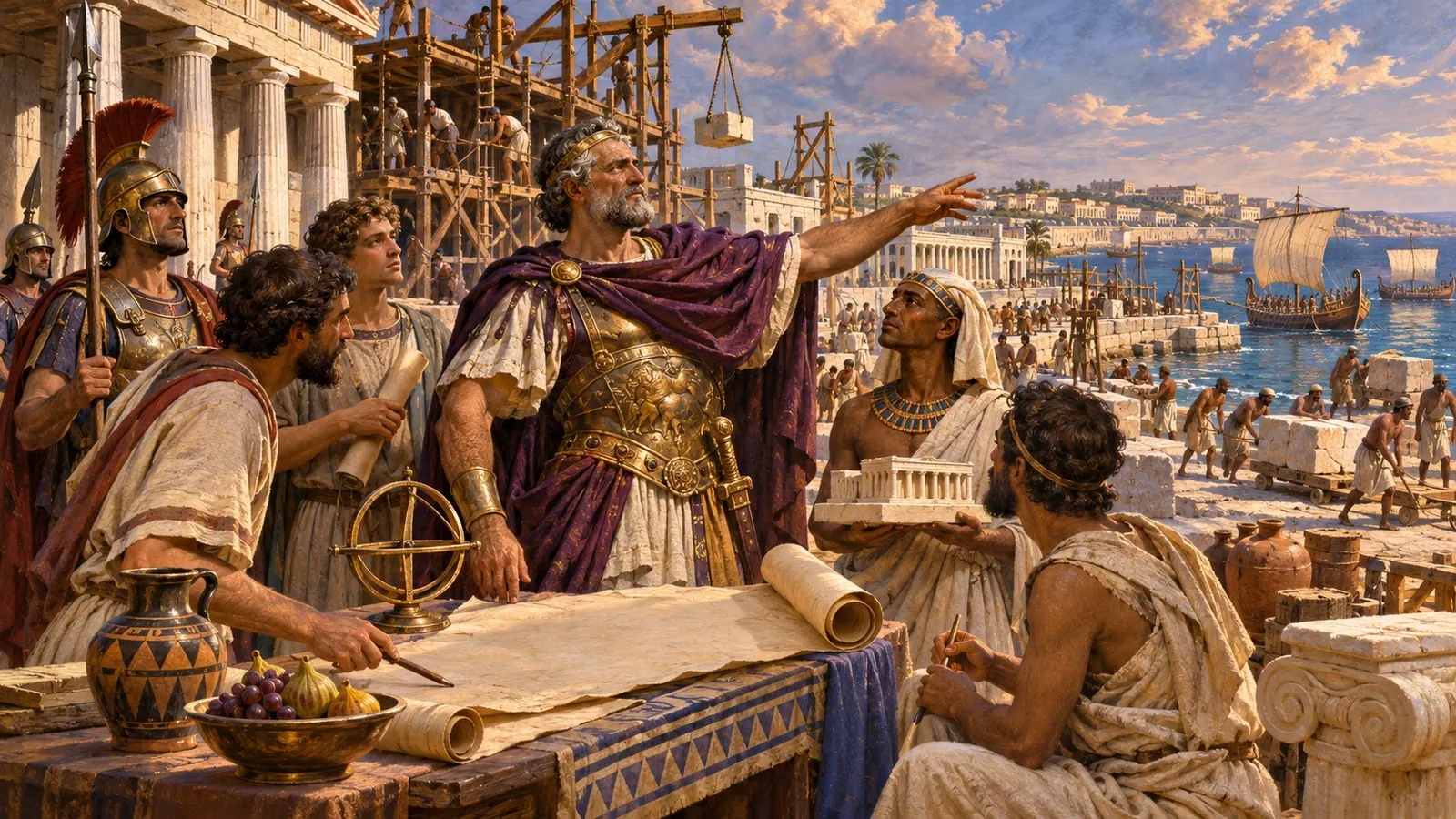
After the death of Alexander the Great, his general Ptolemy I proclaimed himself king of Egypt, made Alexandria his capital and founded the Ptolemaic dynasty. He built the Library of Alexandria and the Lighthouse, turning Egypt into the scholarly and commercial center of the Hellenistic world, while these monarchs of Greek descent continued to bear the title of pharaoh.
Egypt finally becomes a Roman province
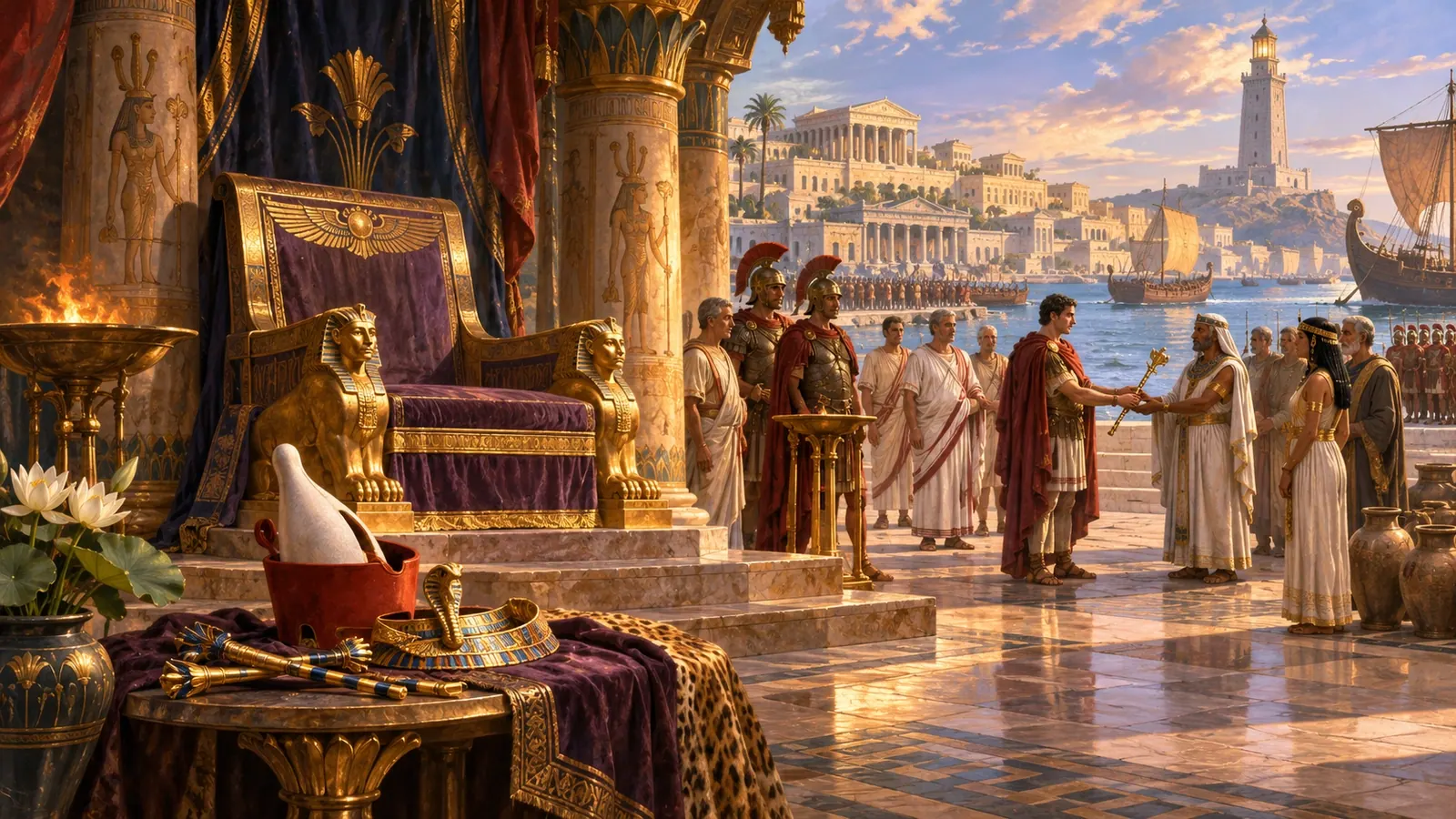
Octavian defeated the combined forces of Antony and Cleopatra VII; the last female pharaoh took her own life, and the Ptolemaic dynasty came to an end. Egypt became Rome's granary province and the age of the pharaohs was over, but the pyramids still stand today.