Zoroaster
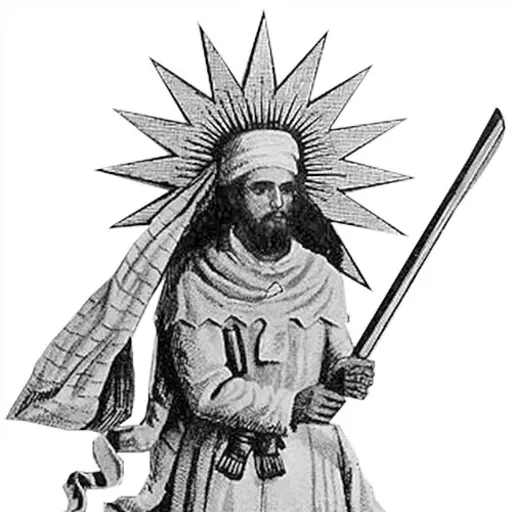

Founder of Zoroastrianism, who proposed a cosmic dualism of good and evil.
Life
Iranian Plateau
Zoroaster is said to have been born in the eastern Iranian Plateau, where polytheistic worship and sacrificial rites prevailed and blood feuds and tribal strife were common; from childhood he harbored doubts about the existing system of beliefs.
Revelation and Preaching
According to Zoroastrian tradition, at about the age of 30 he received a divine revelation and began to preach a dualistic cosmos in which Ahura Mazda, the supreme good god, contends with Angra Mainyu, who represents darkness, teaching that humans take part in this struggle between good and evil through "good thoughts, good words, good deeds." In the early years of his mission he was repeatedly rejected, and only after gaining the protection and support of the local ruler Vishtaspa did his teachings spread.
The Puzzle of His Dates
His dates are among the most disputed questions in ancient history. Tradition, based on Greek sources, often places him in the 7th to 6th centuries BCE, roughly contemporary with Cyrus; but linguists, based on the features of the Old Iranian language used in the Gathas hymns, argue that he lived much earlier, c. 1200 to 1000 BCE. The two datings differ by several centuries, and the question remains unresolved.
Legacy
The religion founded by Zoroaster later became the state religion of Sasanian Persia and reached China between the Northern & Southern Dynasties and the Tang dynasty, where it was known as Xianjiao. Many scholars believe its ideas of a dualism of good and evil, a last judgment, and the coming of a savior influenced related doctrines in Judaism, Christianity, and Islam, though the extent and direction of that influence remain debated. Today its followers are mainly the Parsis of India and minority communities in Iran.
Major works & achievements
- Proclaimed Ahura Mazda the supreme god of good
- Proposed a dualist cosmology of good and evil
- Advocated "good thoughts, good words, good deeds"
- Traditionally credited with the Gatha hymns
Did you know? The "Zarathustra" of Nietzsche's famous Thus Spoke Zarathustra is simply the Old Iranian form of Zoroaster's name.
Key dates
- 628 BCEBorn on the Iranian Plateau (some say earlier)
- 598 BCESaid to have received divine revelation at age thirty
- 588 BCEBegan spreading faith in Ahura Mazda
- 570 BCEWon the protection of King Vishtaspa
- 551 BCEDied