Croesus
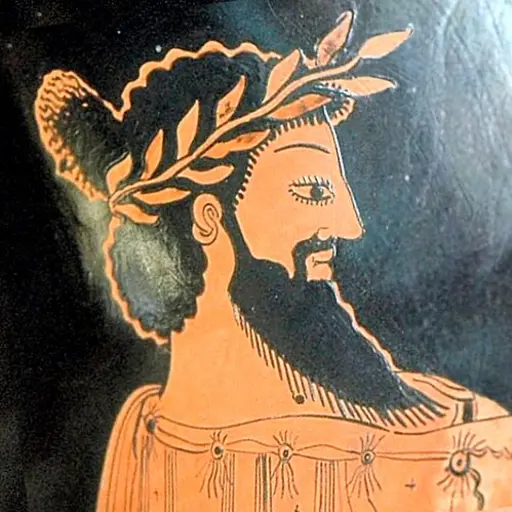

Last King of Lydia, famed for his great wealth, which ultimately ended in the fall of his state.
Life
Fabulously Rich
When Croesus inherited the throne of Lydia, this kingdom in western Asia Minor had amassed astonishing wealth from the alluvial gold of the Pactolus River and from customs revenue. It had already conquered most of the surrounding Greek city-states and was recognized as the richest power in the eastern Mediterranean of its day.
The Oracle and the Fall
He considered going to war with the rising power of Persia in the east. According to Herodotus, he consulted the Oracle of Delphi and received the ambiguous answer that "if he crossed the river, he would destroy a great empire." Taking this as a good omen, he led his army across the Halys River to attack Persia, but in 546 BCE his capital Sardis was captured by Cyrus and Lydia fell.
Legend and Fate
"Rich as Croesus" remains an idiom for great wealth in Western languages to this day. But Herodotus's account that after his defeat Cyrus ordered him burned at the stake, that he was saved from the flames and afterward became an adviser at the Persian court, is closer to a literary tale with a moral lesson; his actual fate in later life is unclear in the sources.
Legacy
Croesus's name has become a byword for wealth in Western languages. The "Croesids" attributed to him are thought to be the earliest coins struck separately in pure gold and pure silver, advancing the development of a money economy. Herodotus turned the story of how he lost his kingdom by misreading an oracle into a classic case of pride bringing ruin; together with Solon's warning to "call no man happy until he is dead," it became one of Ancient Greece's classic parables on the fickleness of fate.
Major works & achievements
- Conquered the Ionian Greek city-states
- Issued separate pure-gold and pure-silver coinage
- Lavished offerings on the sanctuaries at Delphi and Ephesus
- Crossed the Halys River to attack Persia
Did you know? According to Herodotus, most of the columns of the Temple of Artemis at Ephesus (one of the Seven Wonders of the ancient world) were donated at his expense.
Key dates
- 560 BCEBecame King of Lydia
- 555 BCEConquered the Ionian Greek city-states
- 550 BCEConsulted the Oracle of Delphi on the outcome of the war
- 547 BCECrossed the Halys River to attack Persia
- 546 BCESardis fell and Lydia was destroyed