Nebuchadnezzar II
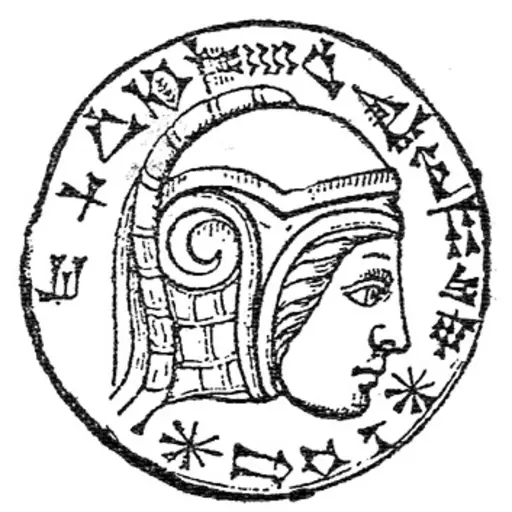

Captured Jerusalem twice and rebuilt Babylon as the imperial capital.
Life
Campaigns Beside His Father
Nebuchadnezzar II was the son of Nabopolassar, founder of the Neo-Babylonian kingdom, and had campaigned beside his father for years before taking the throne. At the time, Neo-Babylonia had only recently joined with Media to destroy Assyria and was contending with Egypt for Assyria's former sphere of influence in Syria-Palestine.
Conquest of Judah and Building
In 605 BCE he inflicted a crushing defeat on the Egyptian army at Carchemish, then returned home to take the throne upon his father's death. He later sent armies against the Kingdom of Judah several times, first besieging Jerusalem in 597 BCE and capturing it again in 587 BCE, when he burned the Temple and carried large numbers of the Jewish elite off to Babylon. He also launched great building projects, rebuilding the Walls of Babylon and the Ishtar Gate.
Babylonian Captivity
The "Babylonian Captivity" profoundly shaped the formation of Judaism and the compilation of the Bible. The legendary "Hanging Gardens" are often attributed to him, but no conclusive evidence of them has yet been found at the archaeological site of Babylon; some scholars believe the gardens were actually located in the old Assyrian capital of Nineveh, and their attribution remains disputed.
Legacy
Nebuchadnezzar II was the most powerful ruler of the Neo-Babylonian Empire. In a reign of more than forty years he made Babylon one of the most magnificent cities in the world of its time. In the Bible he is the conqueror who destroyed the Temple, and the Book of Daniel also tells of a period of madness; in Babylonian inscriptions, by contrast, he presents himself as a pious builder. In the 1980s Iraq adopted him as a symbol and rebuilt the site of Babylon on a large scale.
Major works & achievements
- Routed Egypt at the Battle of Carchemish
- Captured Jerusalem and burned the First Temple
- Rebuilt the Walls of Babylon and the Ishtar Gate
- Traditionally said to have built the Hanging Gardens (disputed)
Did you know? The Ishtar Gate was decorated with blue glazed bricks and reliefs of lions, dragons and bulls; the reconstructed gate is now displayed in the Pergamon Museum in Berlin.
Key dates
- 605 BCEDefeated Egypt at the Battle of Carchemish
- 604 BCESucceeded to the Neo-Babylonian throne
- 597 BCEFirst siege of Jerusalem
- 587 BCECaptured Jerusalem again and destroyed the Temple
- 575 BCERebuilt the Walls of Babylon and the Ishtar Gate
- 562 BCEDied