Russia: From Peter the Great to the Abolition of Serfdom
A tsar who went incognito to work and learn a trade in a Dutch shipyard, a war that ended in defeat in Crimea: for 160 years, Russia swung back and forth between Westernization and autocracy.
Peter the Great's tour of Western Europe
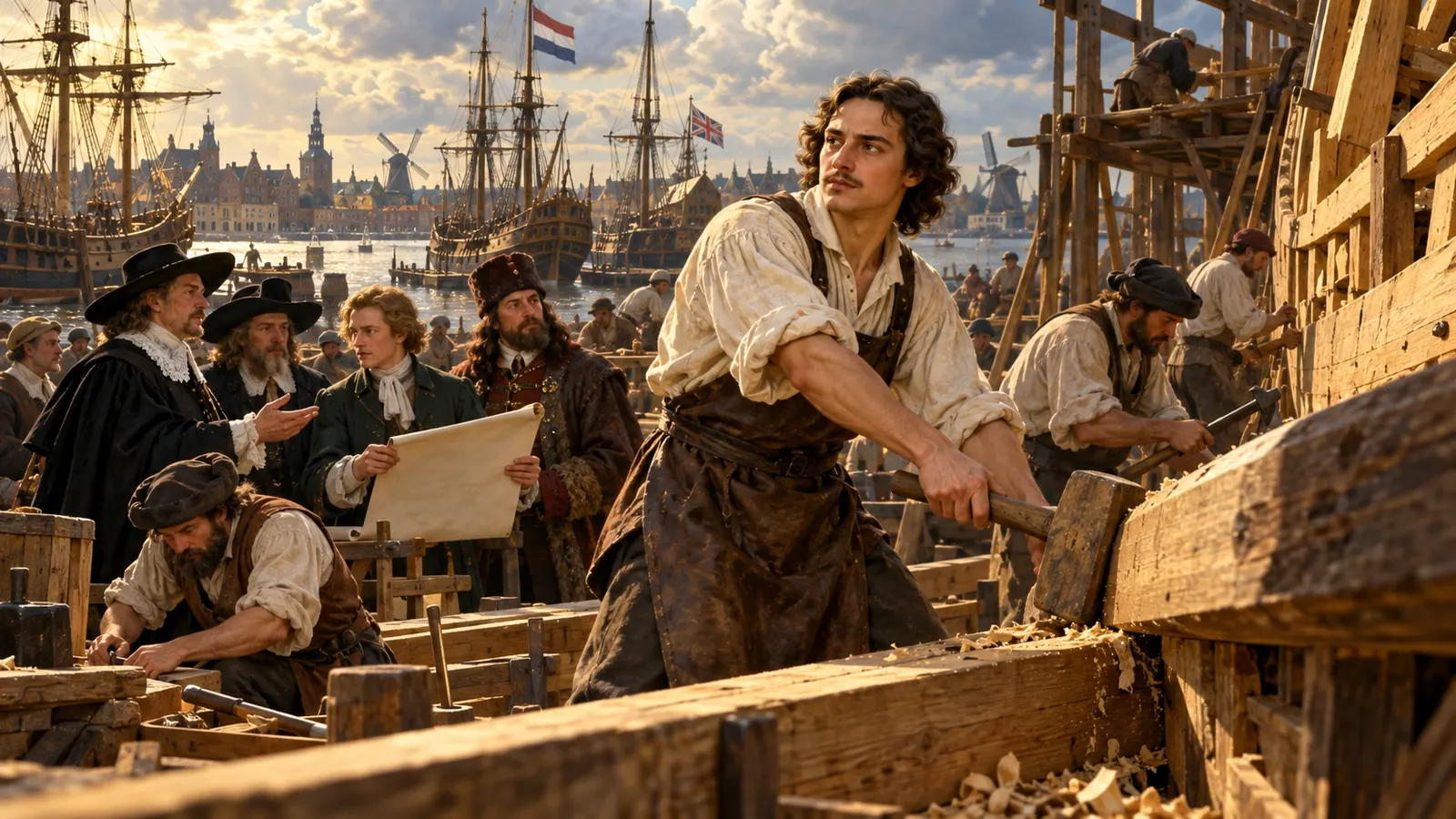
The young Peter the Great traveled incognito with the "Grand Embassy" through the Netherlands, England and elsewhere, personally working in shipyards to learn the technology, and returned home determined to carry out sweeping Westernizing reforms.
Founding of Saint Petersburg
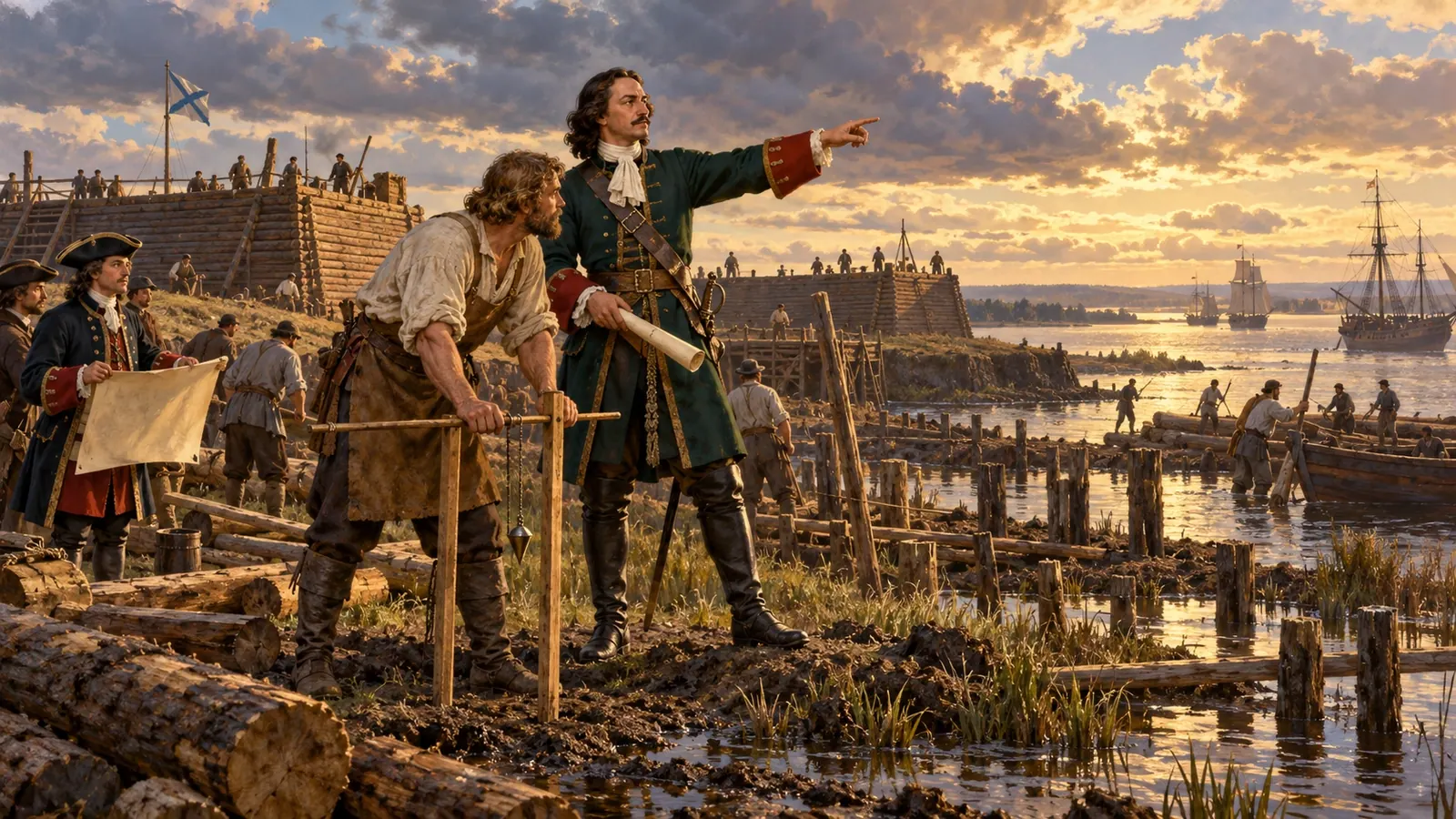
Peter the Great conscripted huge numbers of laborers to lay the foundations of a new capital, Saint Petersburg, on the marshes at the mouth of the Neva, called his "window on Europe"; the harsh building conditions cost many laborers their lives.
Battle of Poltava
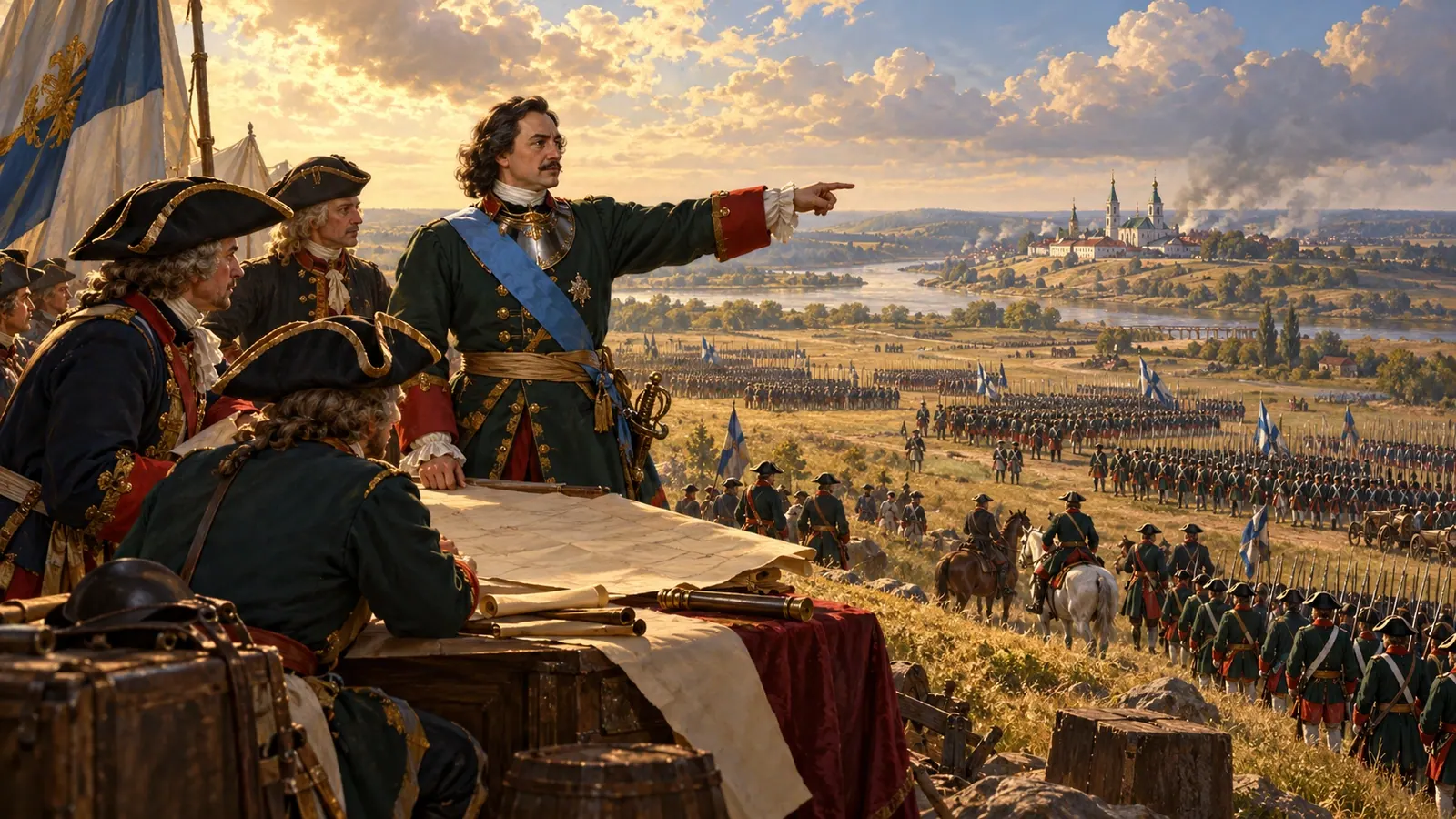
The Russian army crushed the forces led by King Charles XII of Sweden at Poltava. From then on the balance of the Great Northern War tipped decisively toward Russia, and Russia took its place among the great powers of Europe.
Catherine II seizes power
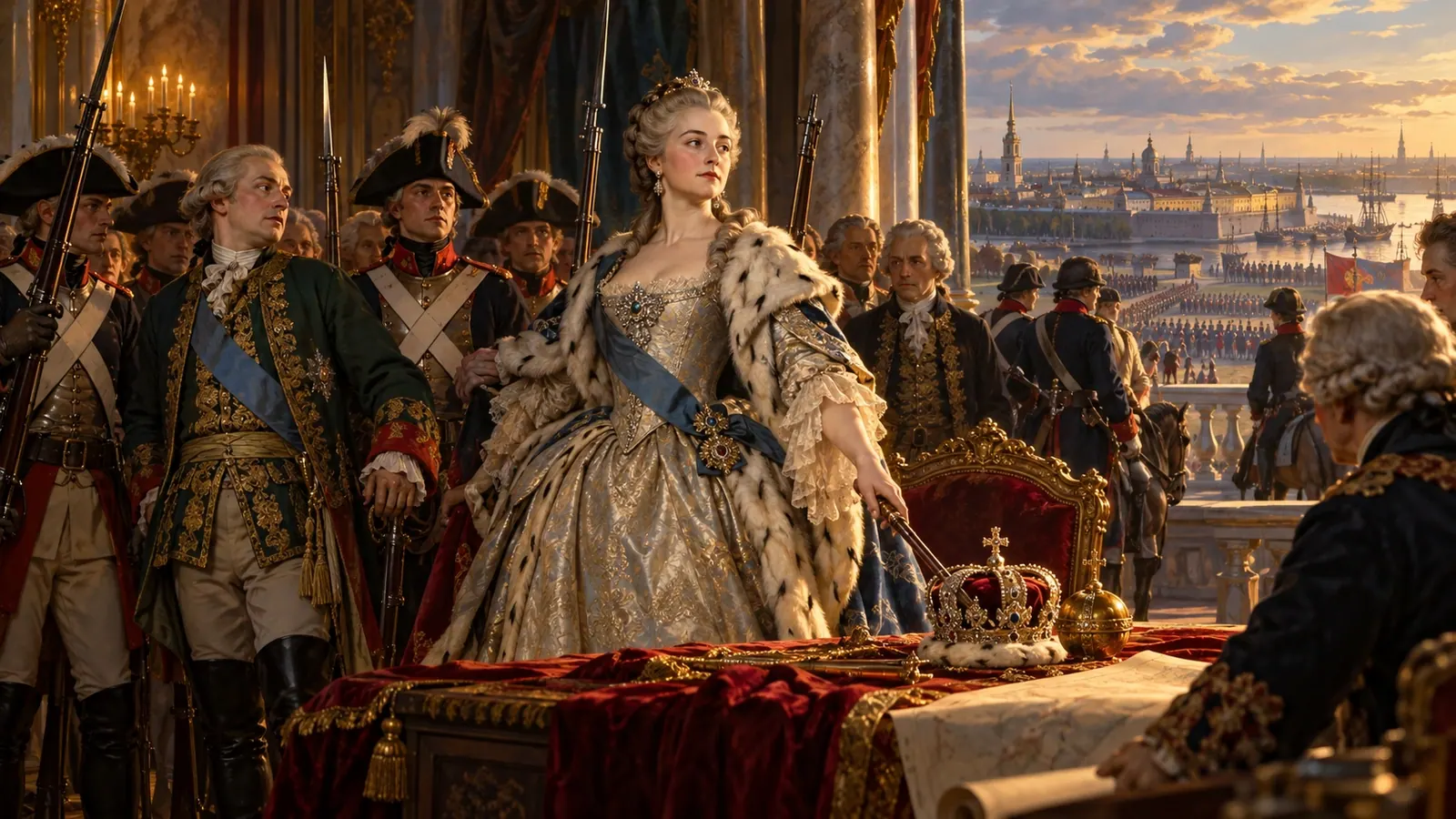
The German-born Catherine II, with the support of the Imperial Guard, deposed her own husband, Peter III, beginning a reign of more than thirty years during which Russia's territory expanded greatly to the south and west.
Decembrist revolt
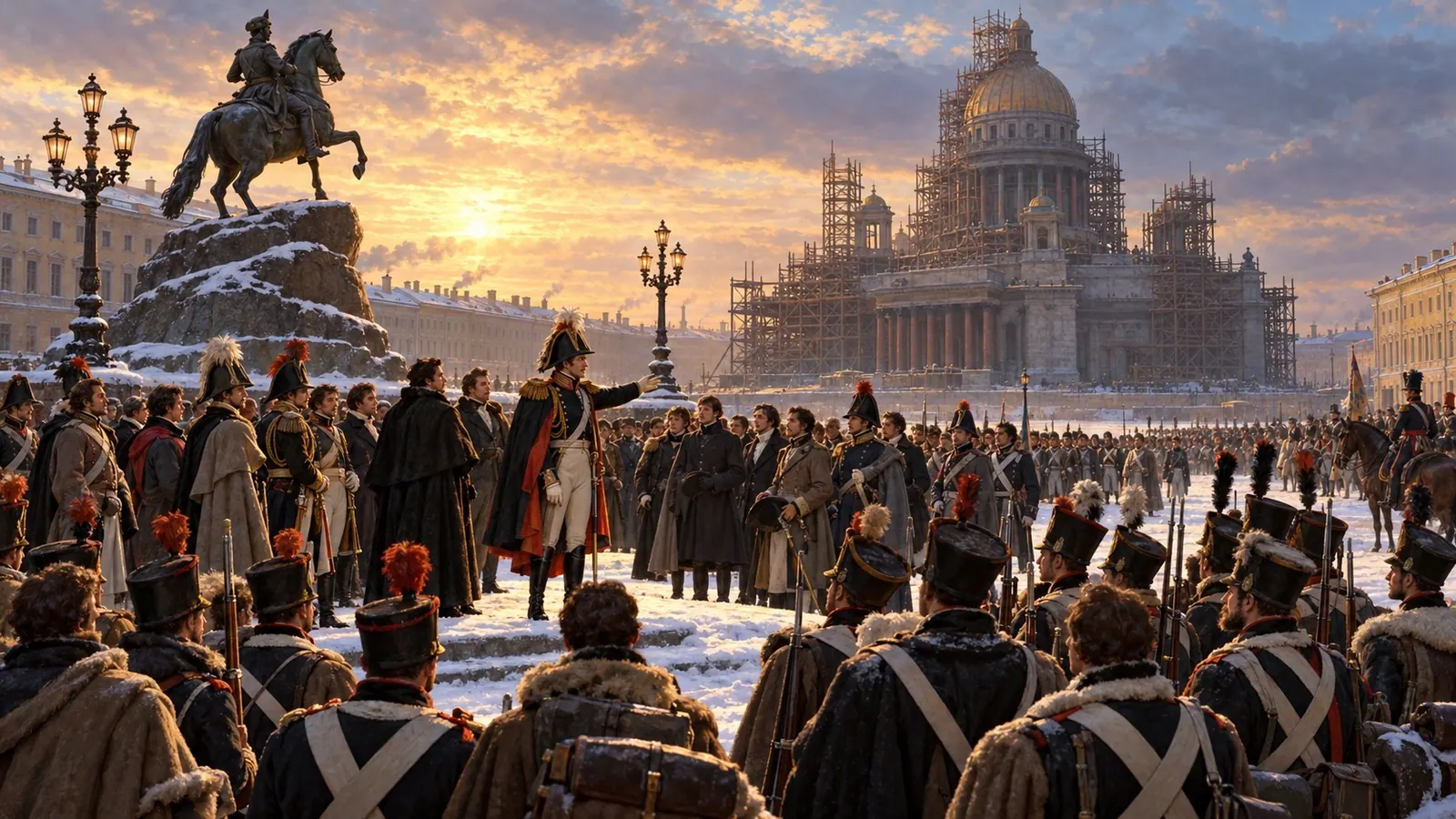
A group of young noble officers who had been exposed to Western European liberal ideas launched an uprising on a square in Saint Petersburg demanding a constitution. It was crushed by Tsar Nicholas I the same day, but the "Decembrists" later came to be regarded as the spiritual forerunners of Russia's revolutionaries.
Defeat in the Crimean War
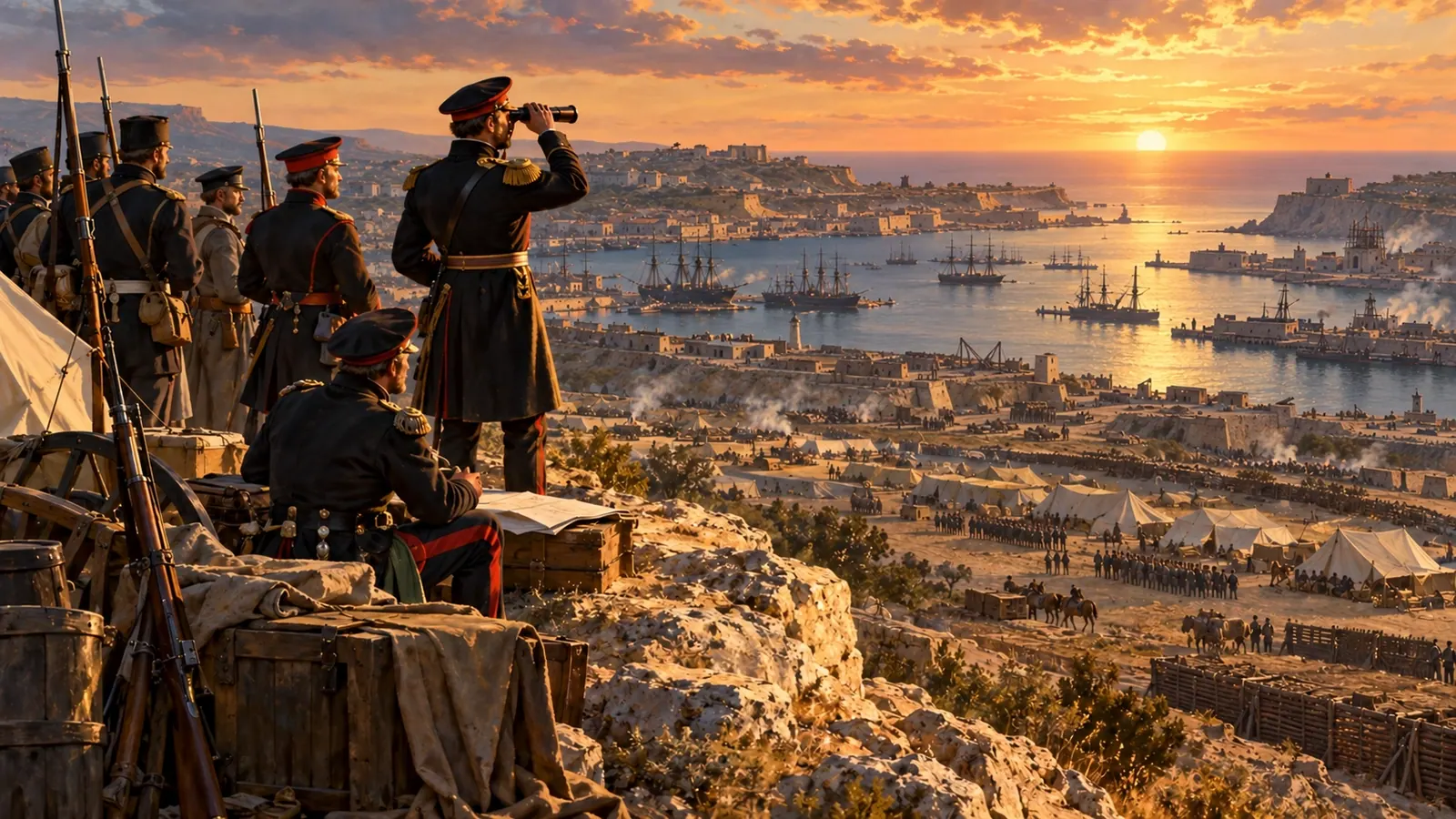
Russia was defeated by the Anglo-French coalition in the Crimean War. The defeat exposed how the serf-based economy and backward armaments were dragging down the strength of this vast empire, and it became the direct trigger for the reforms that followed.
Abolition of serfdom
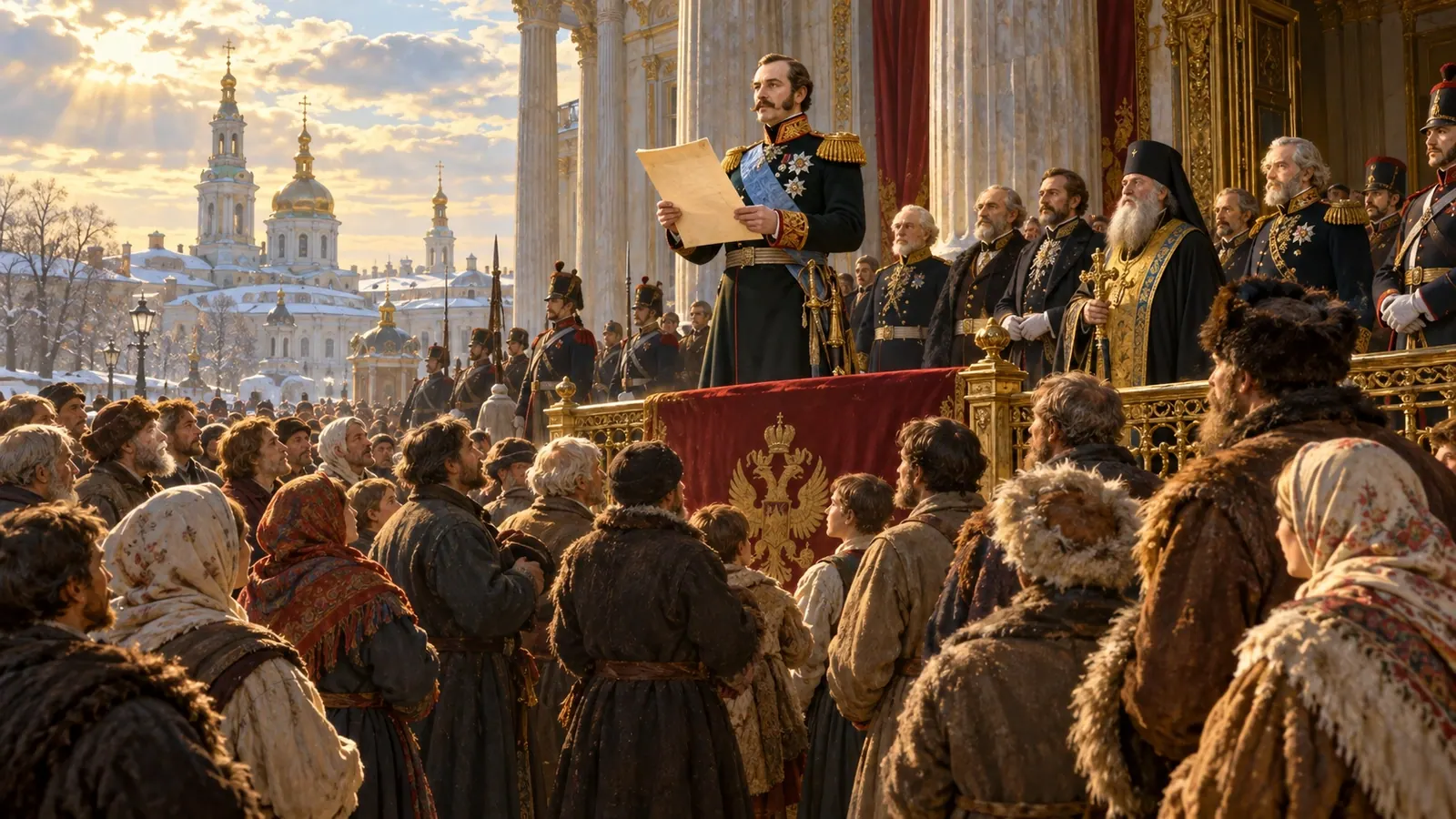
Tsar Alexander II issued the Emancipation Manifesto, giving personal freedom to more than 20 million serfs, but they had to pay heavy redemption payments for the land allotted to them; the problems left by this incomplete reform were still festering many years later.