How Christianity became the state religion
From the bellies of beasts in the arena, to an edict issued by the emperor himself, to the sole lawful faith: in less than three hundred years, Christianity went all the way from persecution to dominating the empire.
Nero's persecution
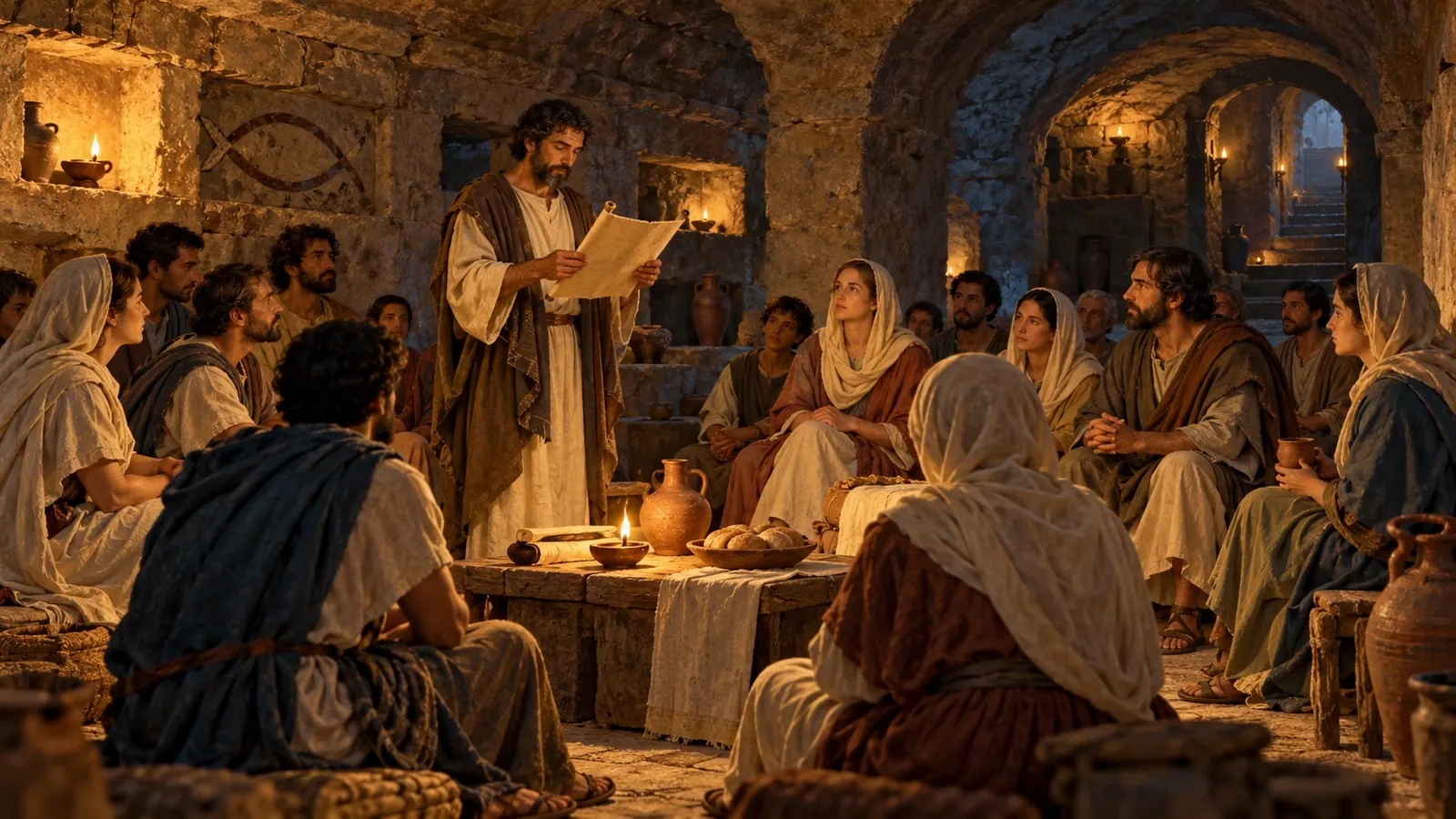
After a great fire struck the city of Rome, Nero shifted the blame onto the Christians and had them executed. According to tradition, the apostles Peter and Paul were both martyred in this wave of persecution, and from then on Christianity was officially regarded as a dangerous heretical group.
Decius's empire-wide persecution
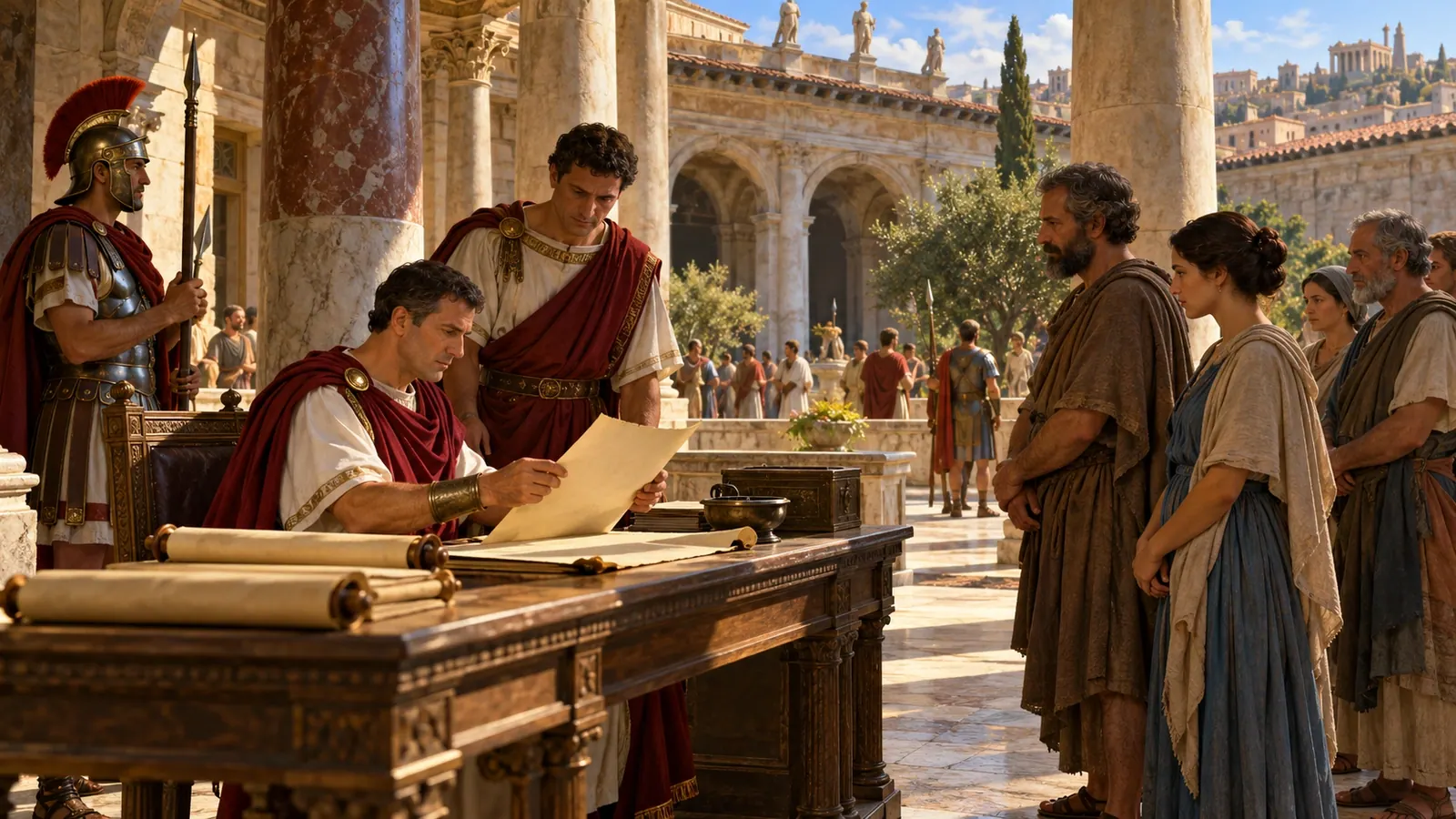
Emperor Decius required all subjects to sacrifice to the Roman gods and obtain a certificate as proof, punishing anyone who refused. This was the first empire-wide, systematically organized persecution in Christian history.
Diocletian's Great Persecution
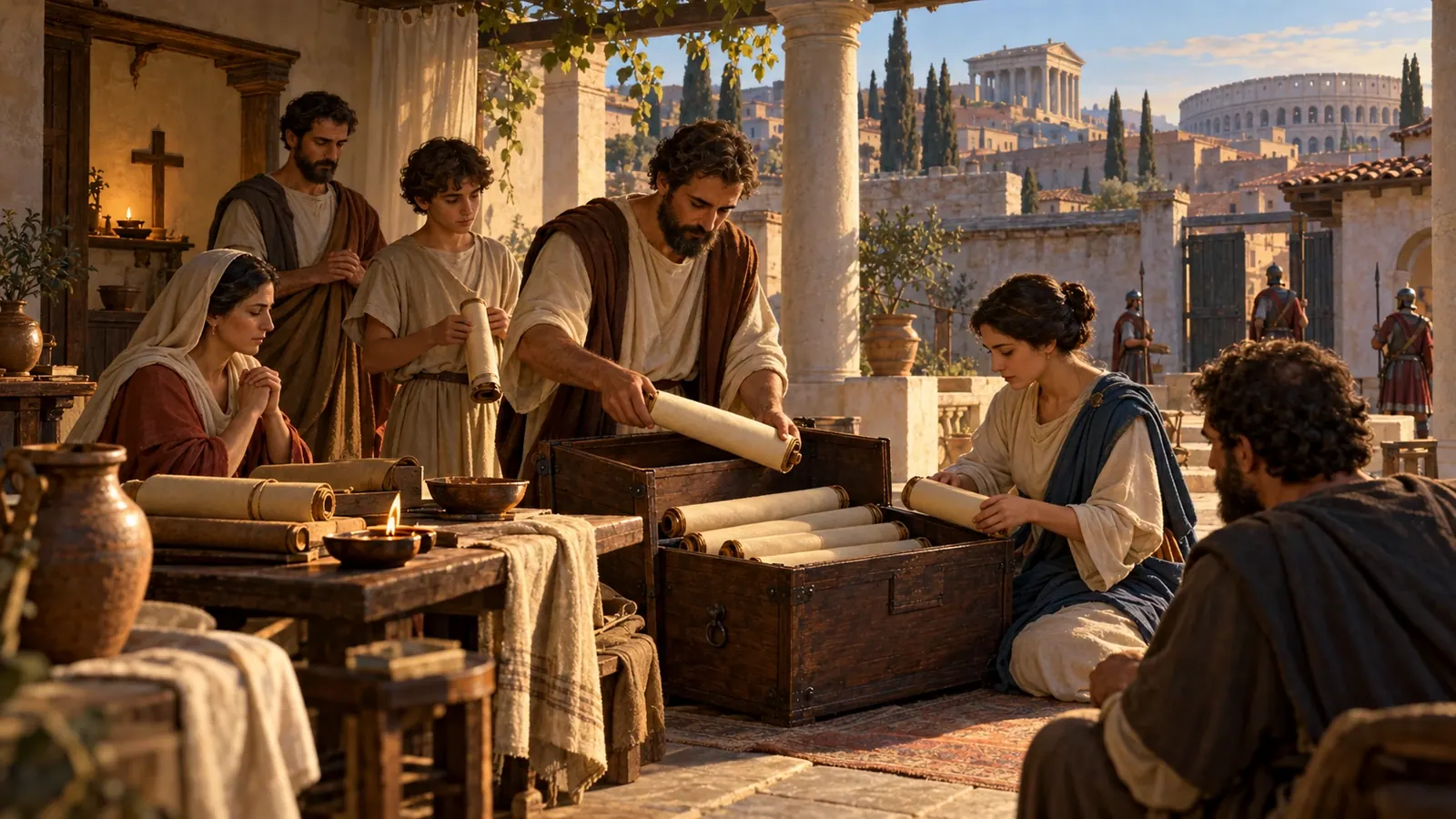
Diocletian ordered Christian scriptures burned, churches torn down, and Christian officials dismissed. Known as the "Great Persecution," it was the most brutal round of official repression in Christian history, yet it could not stop the faith from continuing to spread.
Battle of the Milvian Bridge
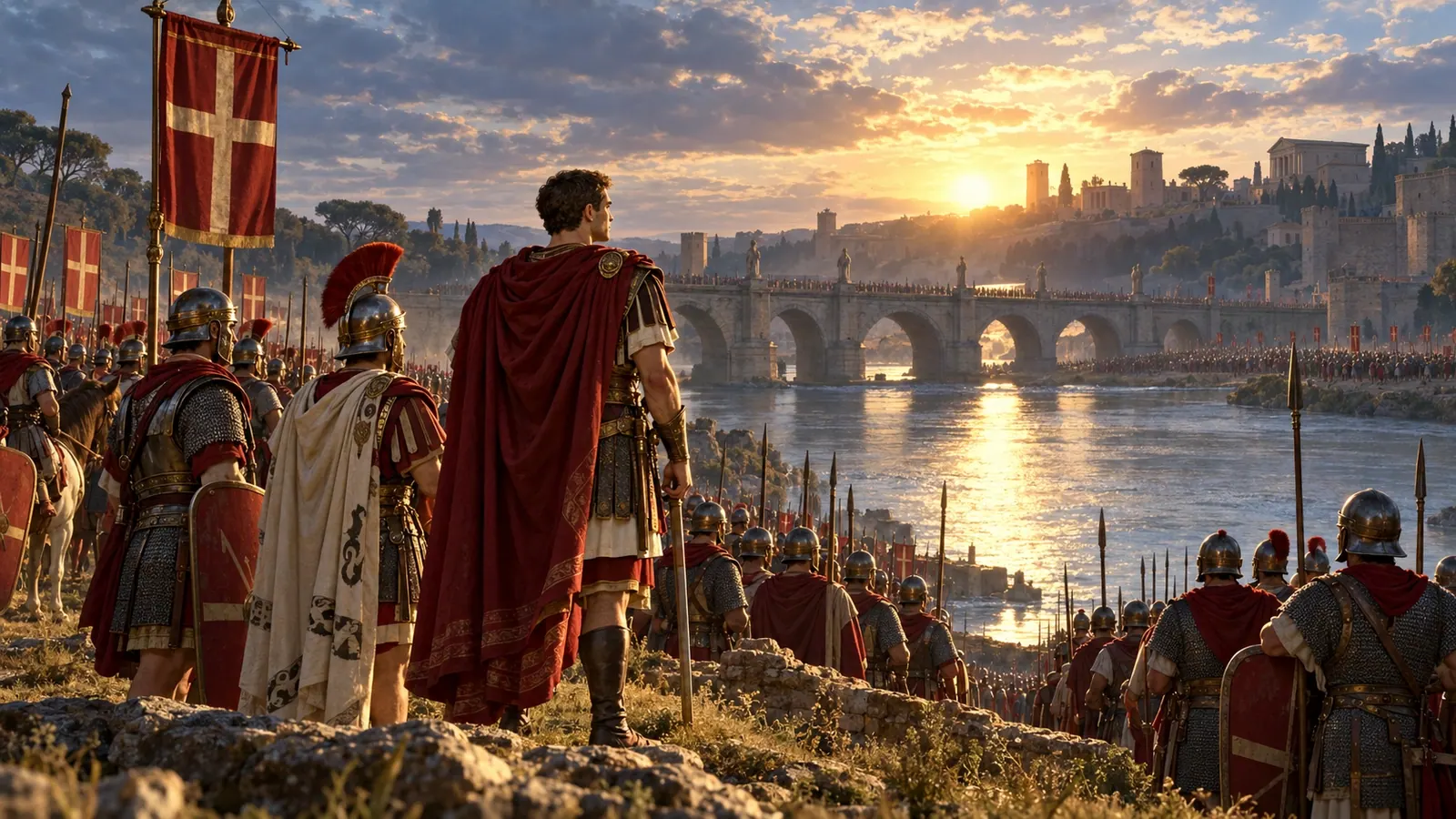
According to tradition, on the night before the decisive battle Constantine dreamed of the sign of the cross. He then led his army to defeat his rival Maxentius at the Milvian Bridge, seizing the throne of the West, and from then on turned to openly supporting Christianity.
Edict of Milan
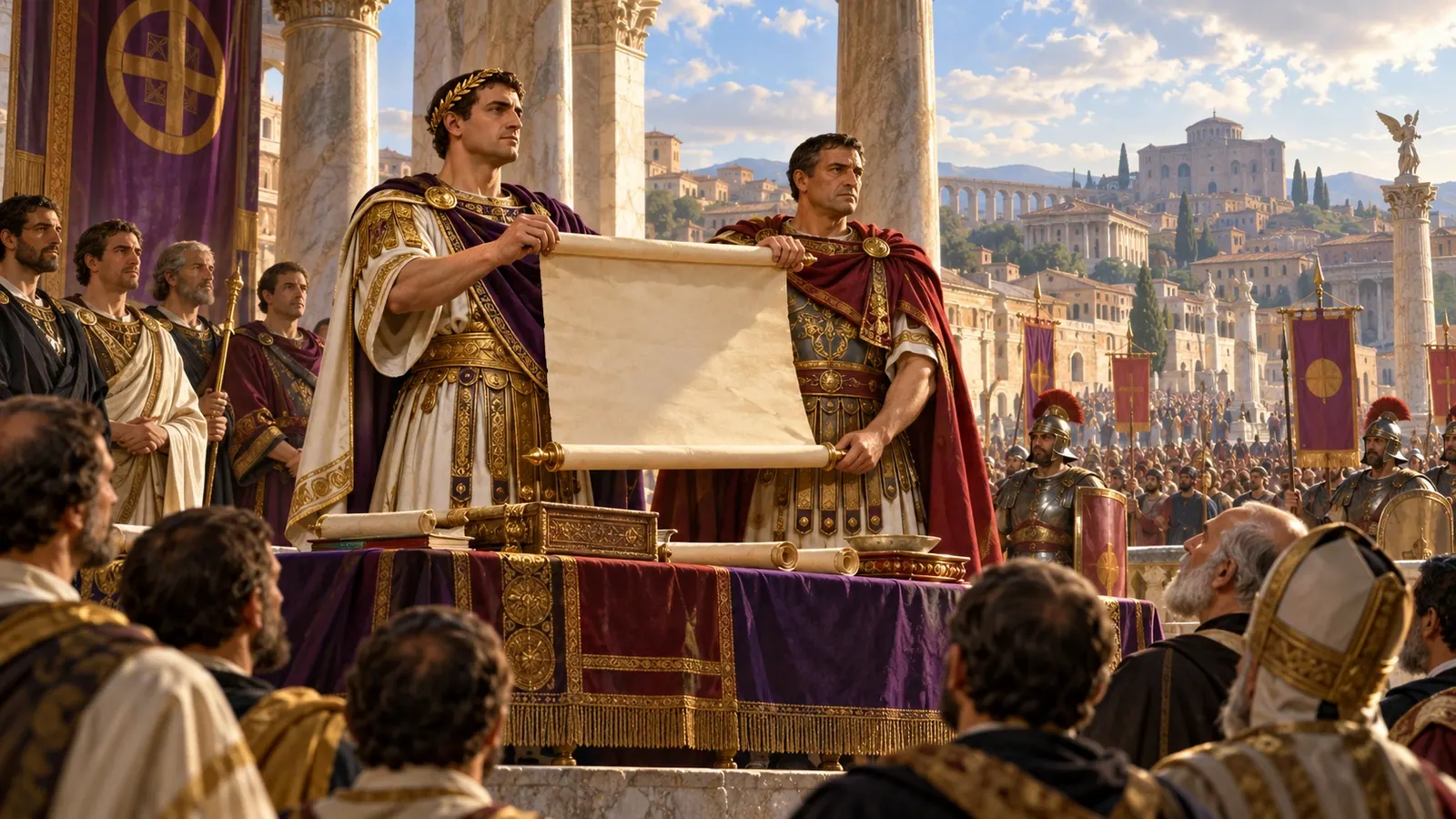
Constantine and Licinius jointly issued the Edict of Milan, granting Christianity legal status and freedom of worship and ending two and a half centuries of intermittent official persecution.
Council of Nicaea
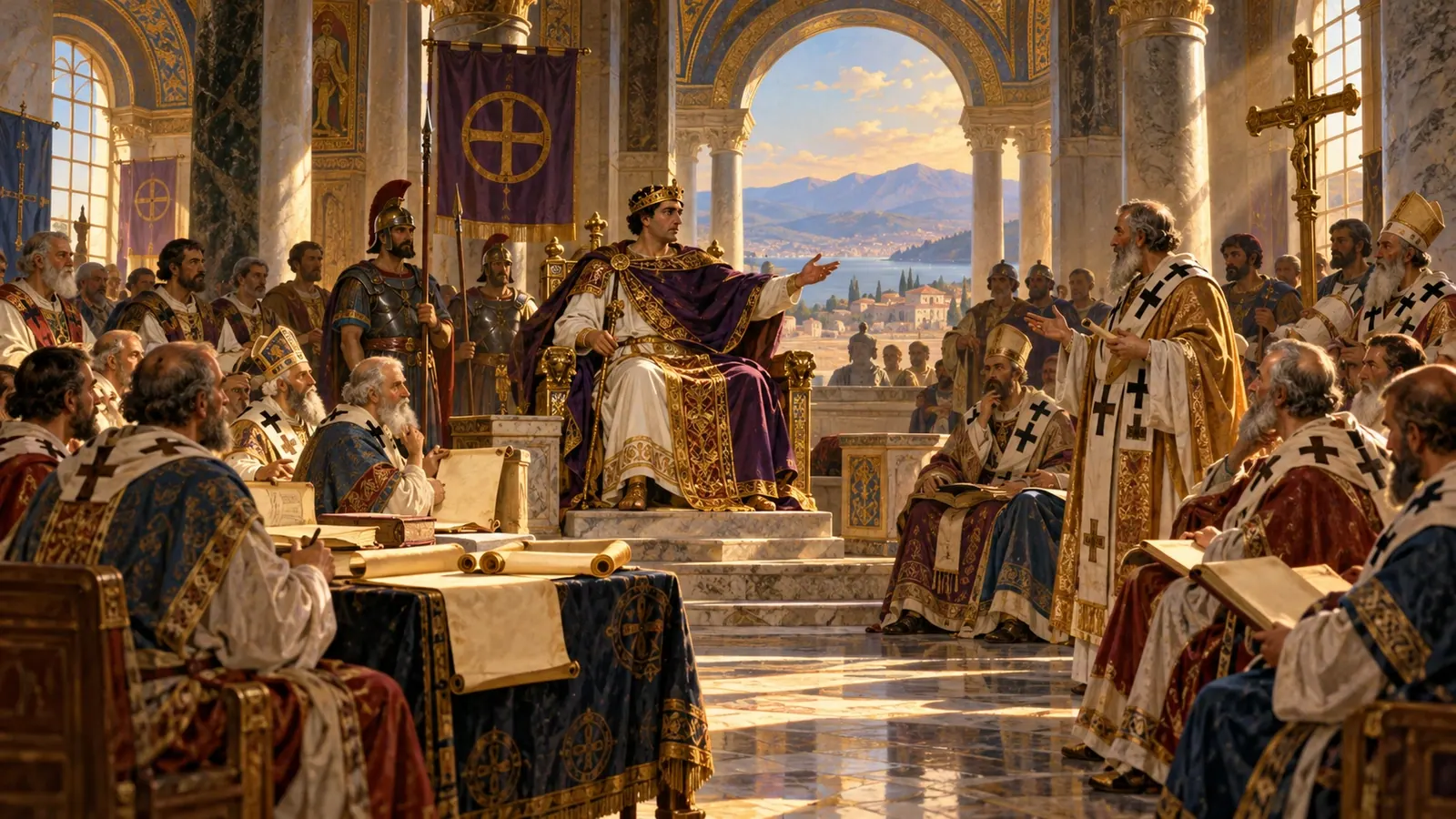
Constantine convened a council of bishops at Nicaea in Asia Minor, which established the doctrine of the Trinity and the Nicene Creed, an attempt to use imperial power to settle increasingly divisive doctrinal disputes.
Edict of Thessalonica
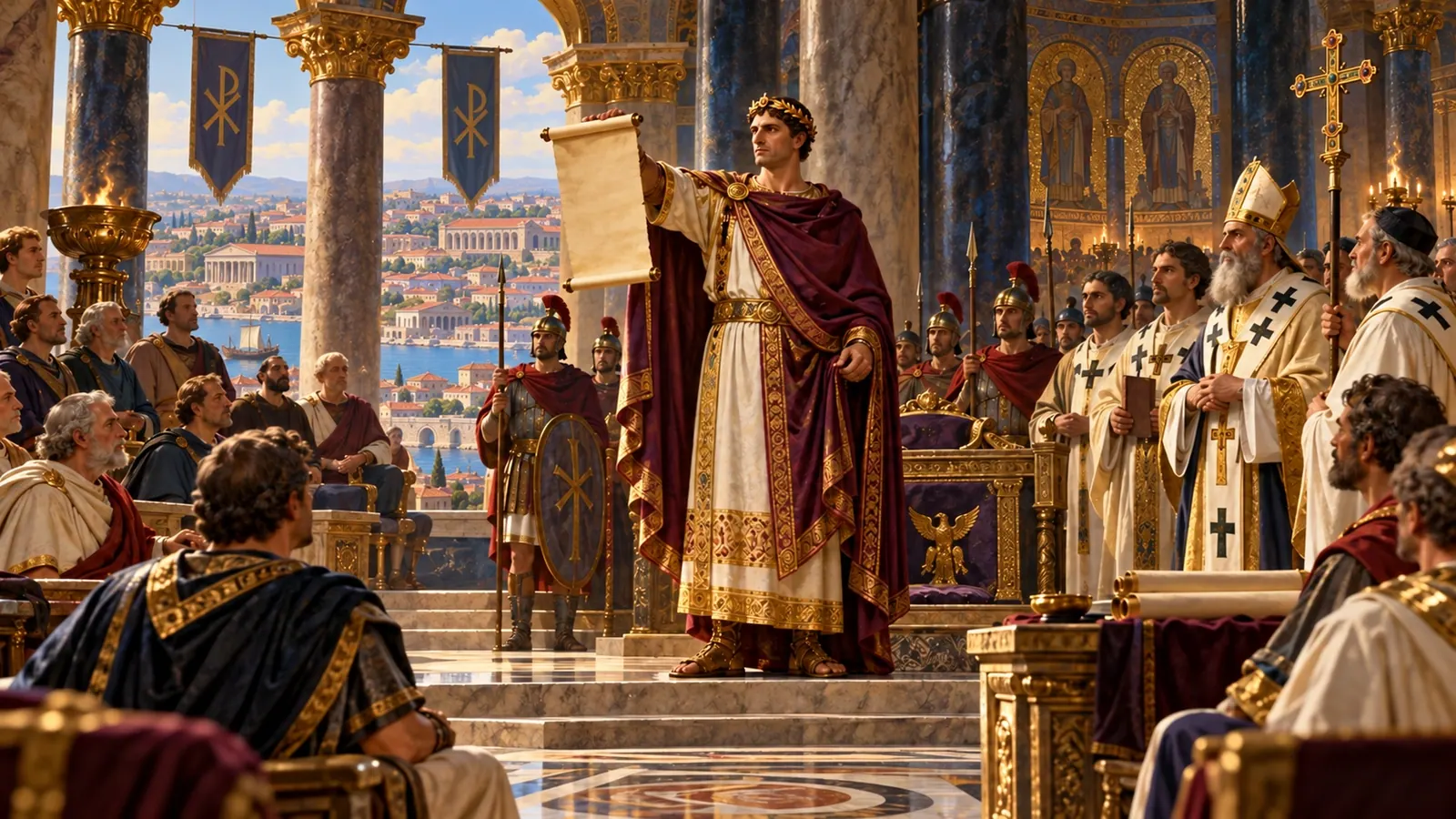
Emperor Theodosius I issued an edict formally making the Nicene faith the sole lawful state religion of the Roman Empire. All other faiths and sects were henceforth branded heresies, and Christianity completed its turn from persecuted faith to state ideology.