Nguyen Hue
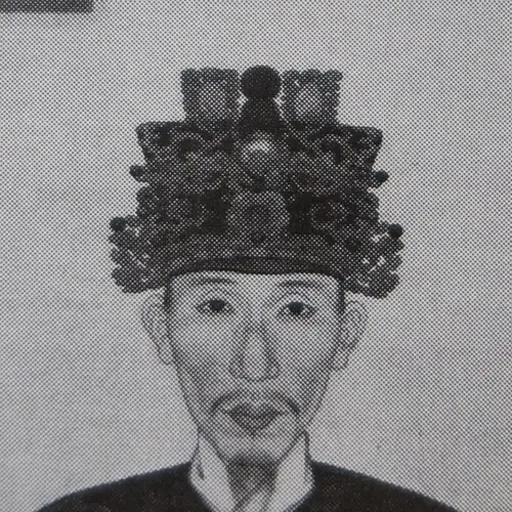

Tây Sơn commander and military strategist who destroyed the Trịnh, defeated Siam and drove back the Qing.
Life
Tây Sơn uprising
Nguyễn Huệ came from the Tây Sơn hamlet in Quy Nhơn; together with his elder brothers Nguyễn Nhạc and Nguyễn Lữ he was one of the three Tây Sơn brothers. In 1771 the three rose in revolt under the banner of opposing Trương Phúc Loan, the powerful minister of the Nguyễn lords, and Nguyễn Huệ made his name through his skill in command and the lightning speed of his marches. In 1777 the Tây Sơn army captured Gia Định, bringing the Nguyễn lords' regime to the brink of destruction, and in 1778 Nguyễn Nhạc proclaimed himself emperor.
Destroying the Trinh and repelling the Qing
In 1785 Nguyễn Phúc Ánh brought a Siamese army into the Mekong Delta; Nguyễn Huệ laid an ambush at Rạch Gầm–Xoài Mút and almost entirely wiped out the Siamese force. In 1786, under the slogan "Support the Lê, destroy the Trịnh," he marched north, ending two centuries of rule by the Trịnh lords, and married Princess Ngọc Hân, daughter of Emperor Lê Hiển Tông. In 1788, when the Qing dynasty sent troops at the request of Emperor Lê Chiêu Thống and seized Thăng Long, Nguyễn Huệ proclaimed himself emperor at Phú Xuân with the era name Quang Trung, then immediately marched north and defeated the Qing army at Ngọc Hồi and Đống Đa during the Lunar New Year of 1789.
Quang Trung's reforms
After the war he sent envoys seeking investiture, and the Qing court invested him as King of Annam, quickly restoring relations. Emperor Quang Trung carried out reforms such as making Chữ Nôm the official script and conducting surveys of households and land, and planned to move the capital to Nghệ An, but he died suddenly in 1792 at only 39. In Vietnam he is regarded as one of the most outstanding military commanders, yet the Tây Sơn dynasty was destroyed by Nguyễn Phúc Ánh just ten years after his death.
Legacy
In Vietnam, Nguyễn Huệ is regarded as an outstanding military commander and national hero. With lightning-fast campaigns he defeated in turn Siam, the Trịnh lords and the Qing army, ending Vietnam's long division between north and south. After the war he promptly sent envoys to seek investiture from the Qing dynasty, restoring tributary relations between the two sides, a sign of pragmatic diplomacy. His promotion of chữ Nôm and household registration reforms was left unfinished by his early death, and the Tây Sơn dynasty declined rapidly after he died and was replaced by the Nguyễn dynasty founded by Nguyễn Phúc Ánh.
Major works & achievements
- Routed the Siamese at the Battle of Rach Gam-Xoai Mut
- Marched north and ended the rule of the Trịnh lords
- Defeats the Qing army at the Battle of Dong Da in 1789
- Made Chữ Nôm the official script
Did you know? Every year on the fifth day of the first lunar month, Hanoi holds the Đống Đa Festival to commemorate this victory.
Key dates
- 1753Born in Tây Sơn, Quy Nhơn
- 1771Rises in revolt with his elder brothers
- 1777Takes Gia Định
- 1785Defeats the Siamese army at Rạch Gầm
- 1786Marches north and destroys the Trịnh lords
- 1788Proclaimed Emperor Quang Trung at Phú Xuân
- 1789Defeats the Qing army at the Battle of Dong Da
- 1792Died