Amanirenas
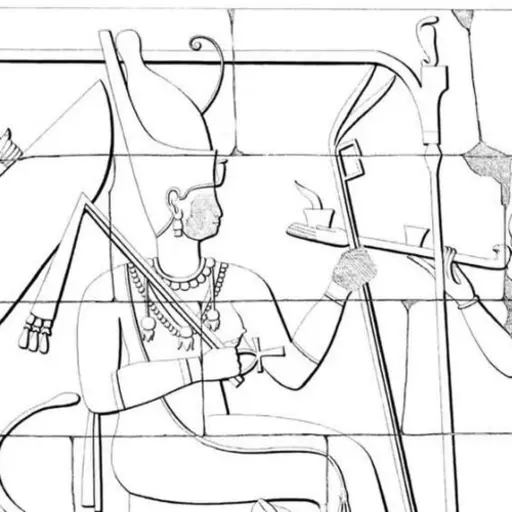

Led the army of Kush north against Roman Egypt and, after a stalemate, concluded a peace treaty.
Life
Kandake of Kush
Amanirenas was a "Kandake" of the Kingdom of Kush on the upper Nile (modern northern Sudan); this was Kush's hereditary title for a female ruler or queen mother, not a personal name. During her reign Rome had just annexed Ptolemaic Egypt and pushed its frontier to around the First Cataract of the Nile, bordering Kush.
Northern Expedition against Roman Egypt
Around 25 BCE she led her army north into southern Egypt under Roman rule and captured Aswan, Philae and other places, reportedly carrying off a bronze head of Augustus. The head was later buried beneath the steps of a temple in the Kushite capital Meroë to be trodden underfoot; excavated in 1910, it is now in the British Museum. Ancient Roman sources also record that she lost an eye in battle.
Peace treaty and sources
After several years of stalemate, the two sides concluded a peace treaty around 21 BCE: Rome symbolically remitted taxes and Kush accepted the existing border, making Kush one of the very few neighbors able to fight the Roman Empire to a draw rather than being annexed or made subject. Because Kush's own script (Meroitic) has still not been fully deciphered, the details of this war rest mainly on Roman accounts, and the Kushite perspective and a fuller account await further archaeology and decipherment.
Legacy
Amanirenas is one of the most famous women rulers of ancient Africa. The Kingdom of Kush she led was never conquered in its war with Rome, which ended in a peace treaty, and afterward Rome largely stayed on the defensive along the upper Nile. Her deeds are known mainly from the accounts of Roman writers such as Strabo, and scholars generally identify the "Kandake" mentioned there with her; because the Meroitic script has not yet been fully deciphered, the Kushite side of the story is still missing. Today Sudan regards her as a symbol of resistance to foreign enemies.
Major works & achievements
- Led an army into Roman Egypt and captured Aswan and other places
- Carried off the head of a bronze statue of Augustus
- Made peace with Rome, obtaining a reduction of tribute and keeping the border intact
Did you know? The "Candace, queen of the Ethiopians" mentioned in the New Testament's Acts of the Apostles uses precisely the Kushite title "Kandake."
Key dates
- 40 BCEBecame Kandake (queen) of Kush (date approximate)
- 27 BCERome annexes Egypt; Octavian takes the title Augustus
- 25 BCELed the army of Kush north against Egypt under Roman rule
- 24 BCERaided Aswan and seized a bronze statue of Augustus
- 22 BCERoman counteroffensive; the two sides reach a stalemate
- 21 BCEConcluded a peace treaty with Rome, demarcating the border