The Reconquista: Iberia's 780 Years
From the Guadalete River to Granada: the long ebb and flow, coexistence and conquest between the Christian kingdoms and al-Andalus.
Guadalete River
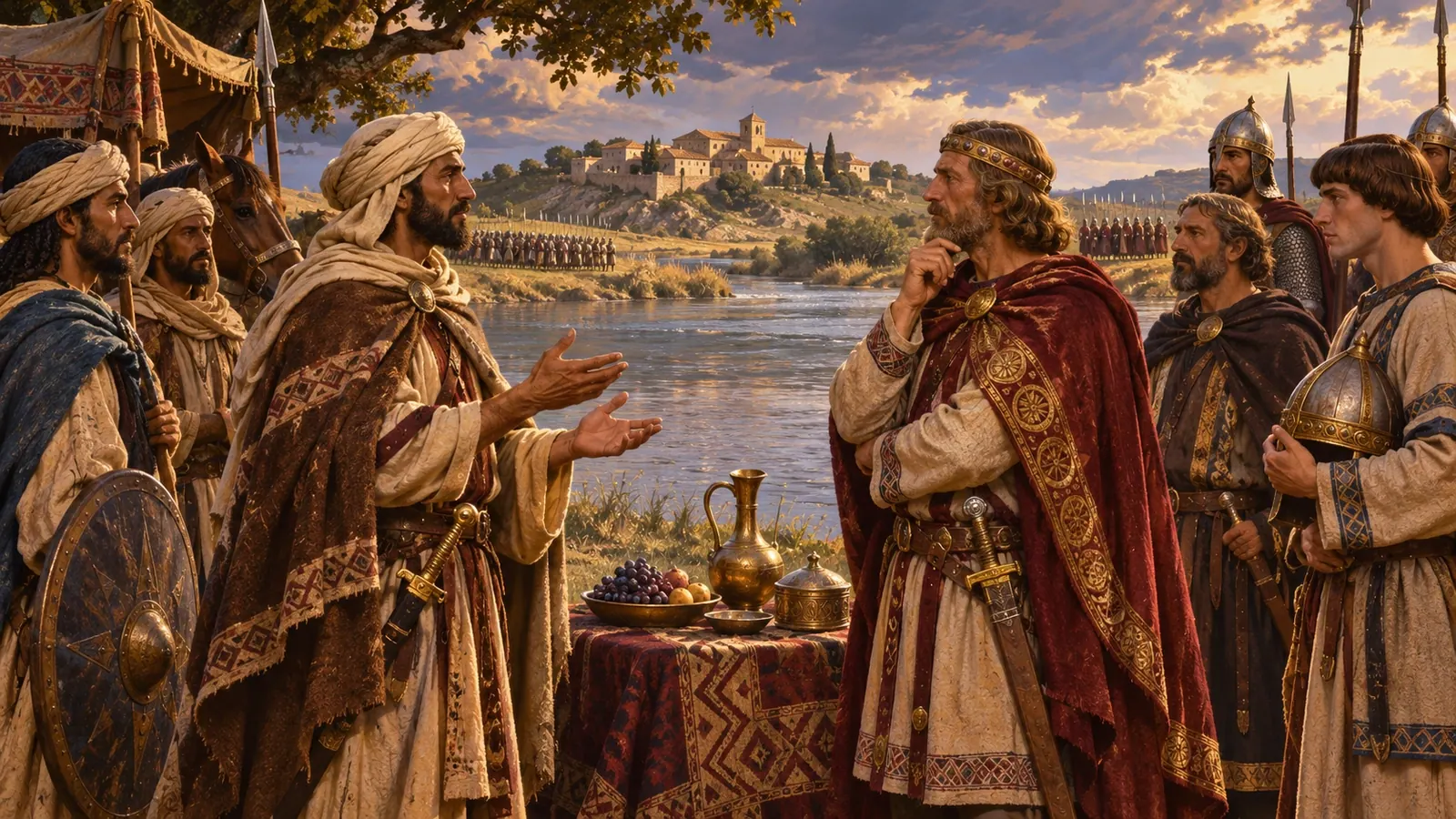
The Berber commander Tariq led an army across the strait and defeated Roderic, King of the Visigoths, near the Guadalete River. The Visigothic Kingdom was already divided within, and in a few years most of the peninsula came under the Umayyad Caliphate, becoming known as al-Andalus.
The Valley of Covadonga
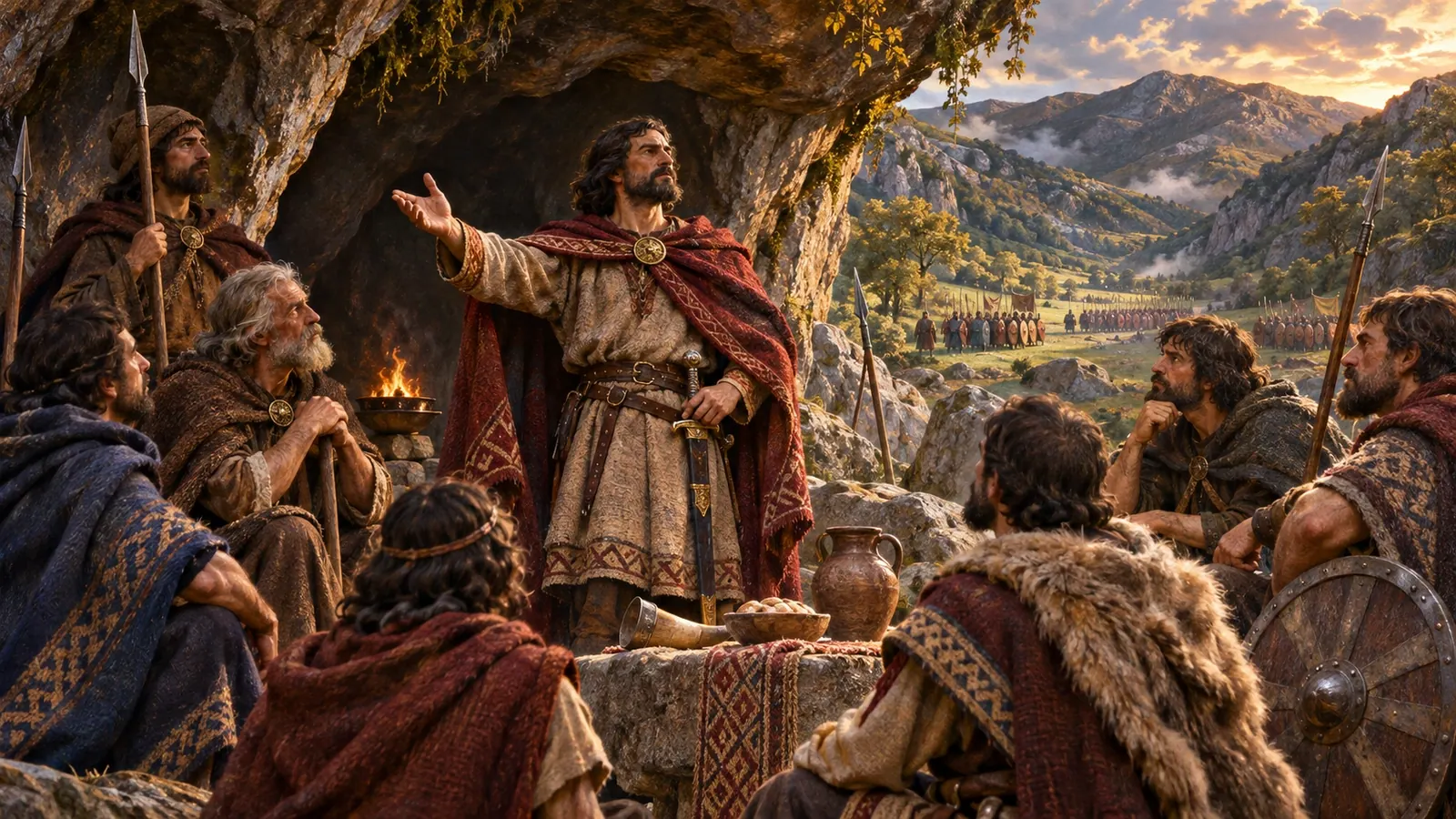
Pelagius, a chief in the mountains of Asturias in the north, repelled a Muslim force at Covadonga. The battle was small, and its date is given as either 718 CE or 722 CE, but later generations treated it as the starting point of the "Reconquista," and the Kingdom of Asturias endured from then on.
Toledo Changes Hands
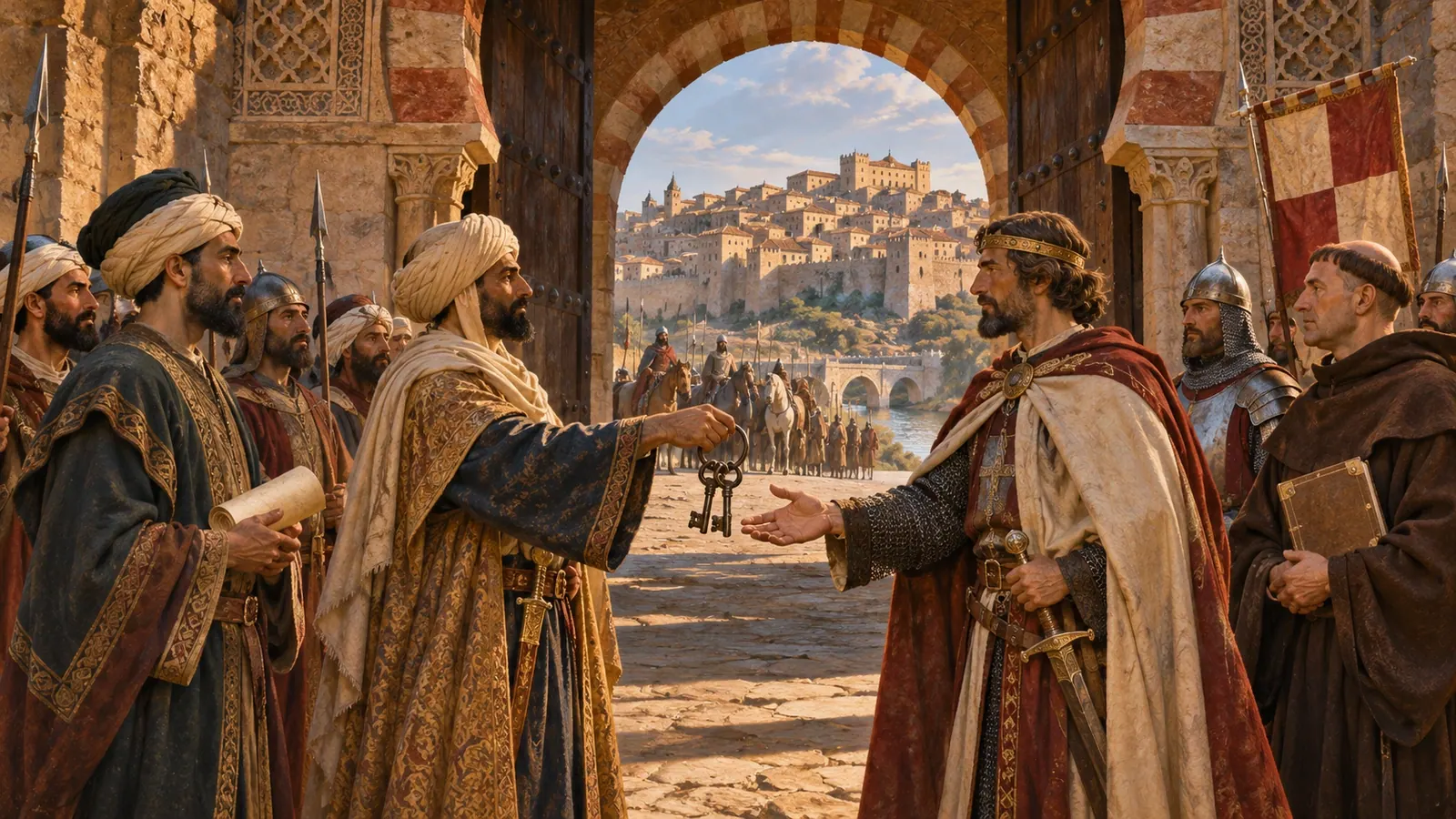
After the Caliphate of Córdoba disintegrated, al-Andalus split into more than twenty small taifa kingdoms, many of which paid tribute to the north. Alfonso VI of Castile took Toledo, the old Visigothic capital, where scholars later translated large numbers of Arabic works into Latin, making it an important window through which Europe encountered Greco-Arabic learning.
Las Navas de Tolosa
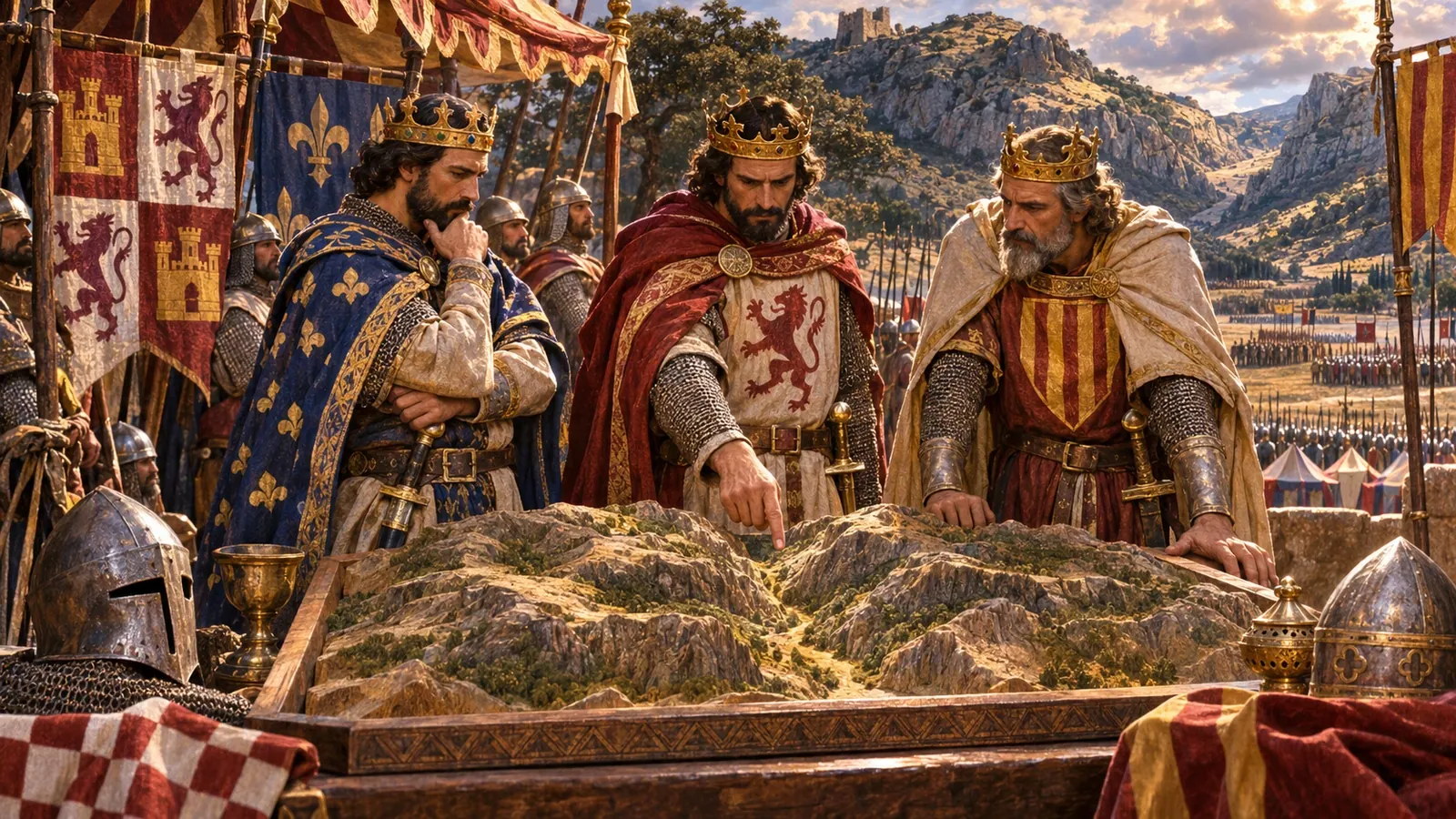
To counter the Almohads from North Africa, the kings of Castile, Aragon and Navarre joined forces and defeated the great army of the Almohad caliph al-Nasir at a pass in the Sierra Morena. After this battle, al-Andalus's military advantage was gone for good, and the balance of power on the peninsula changed completely.
Seville and Granada

Over the next thirty-odd years, Ferdinand III of Castile took Córdoba and Seville in turn, James I of Aragon took Valencia and Majorca, and Portugal completed its conquest of the south. All that remained of al-Andalus was the Nasrid dynasty of Granada in the southern mountains, which survived as a vassal of Castile for two and a half centuries.
The Keys of Granada
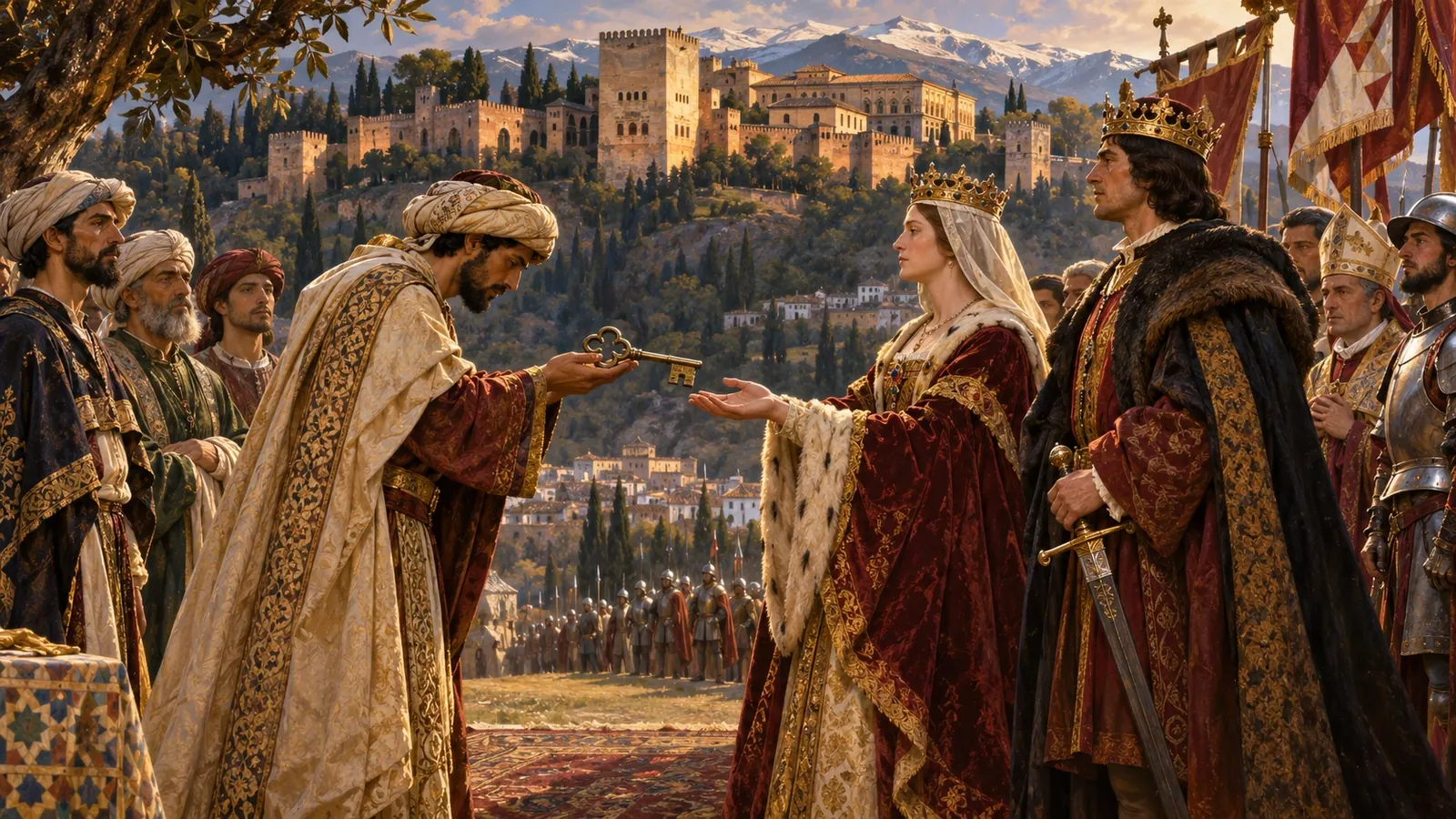
After ten years of war, the Catholic Monarchs besieged Granada, and on January 2, 1492, the last emir, Muhammad XII, surrendered the city. The terms of surrender promised to protect the Muslims' faith and property, but within a few years the authorities turned to forced conversion; in the same year, Spain also ordered the expulsion of Jews who would not convert.
The Last Aftershocks
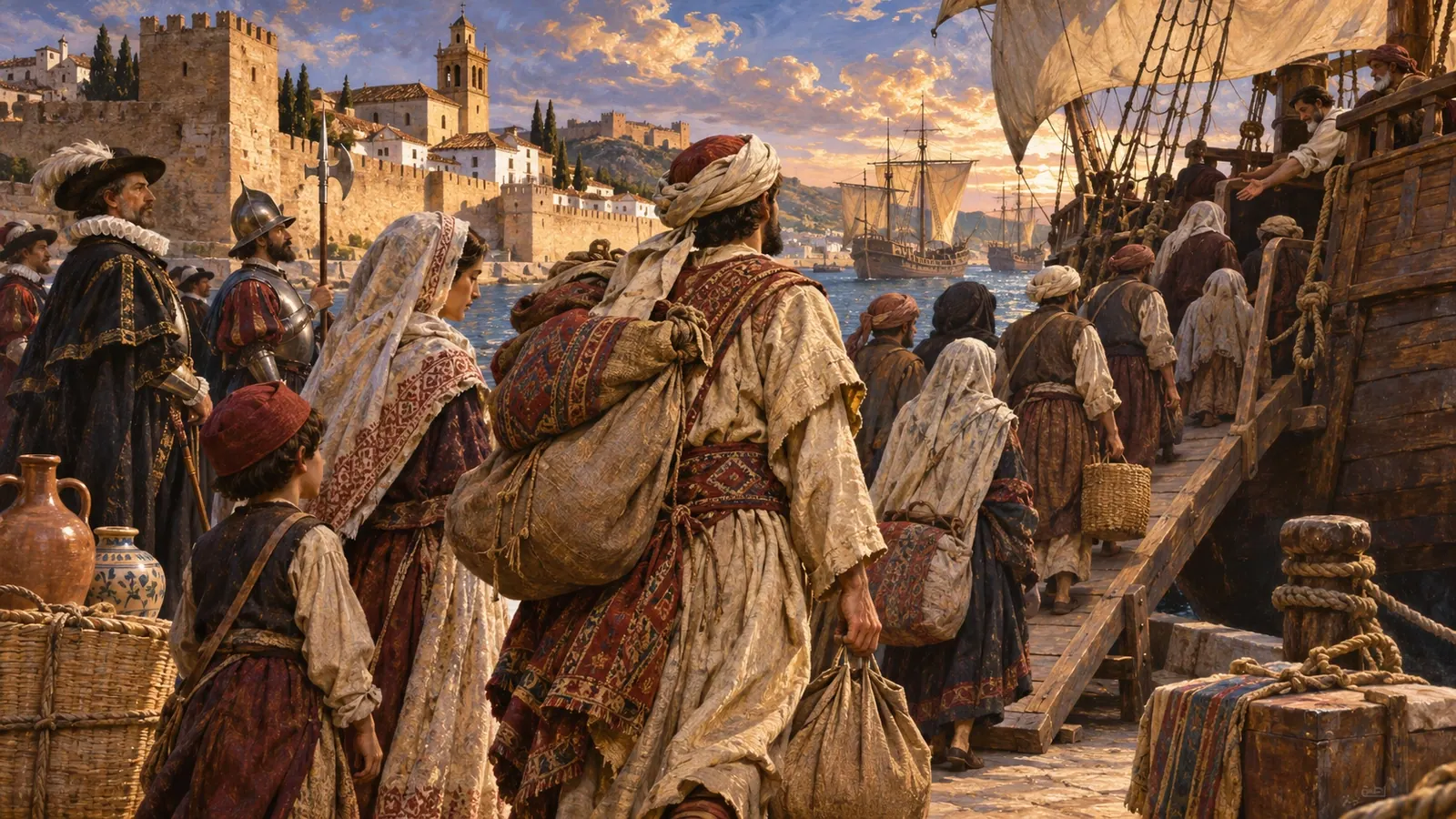
Descendants of Muslims who had converted to Christianity were called Moriscos and long remained under suspicion. From 1609, Philip III ordered them expelled from Spain, and about 300,000 people were forced to move to North Africa and elsewhere. More than seven hundred years of coexistence and conflict came to an end in this way.