Maya: city-states, calendar and writing
Deep in the rainforests of Mesoamerica, the Maya, who never unified into a single empire, nevertheless created a sophisticated calendar, a writing system and magnificent pyramid city-states.
Early settlement in the rainforest
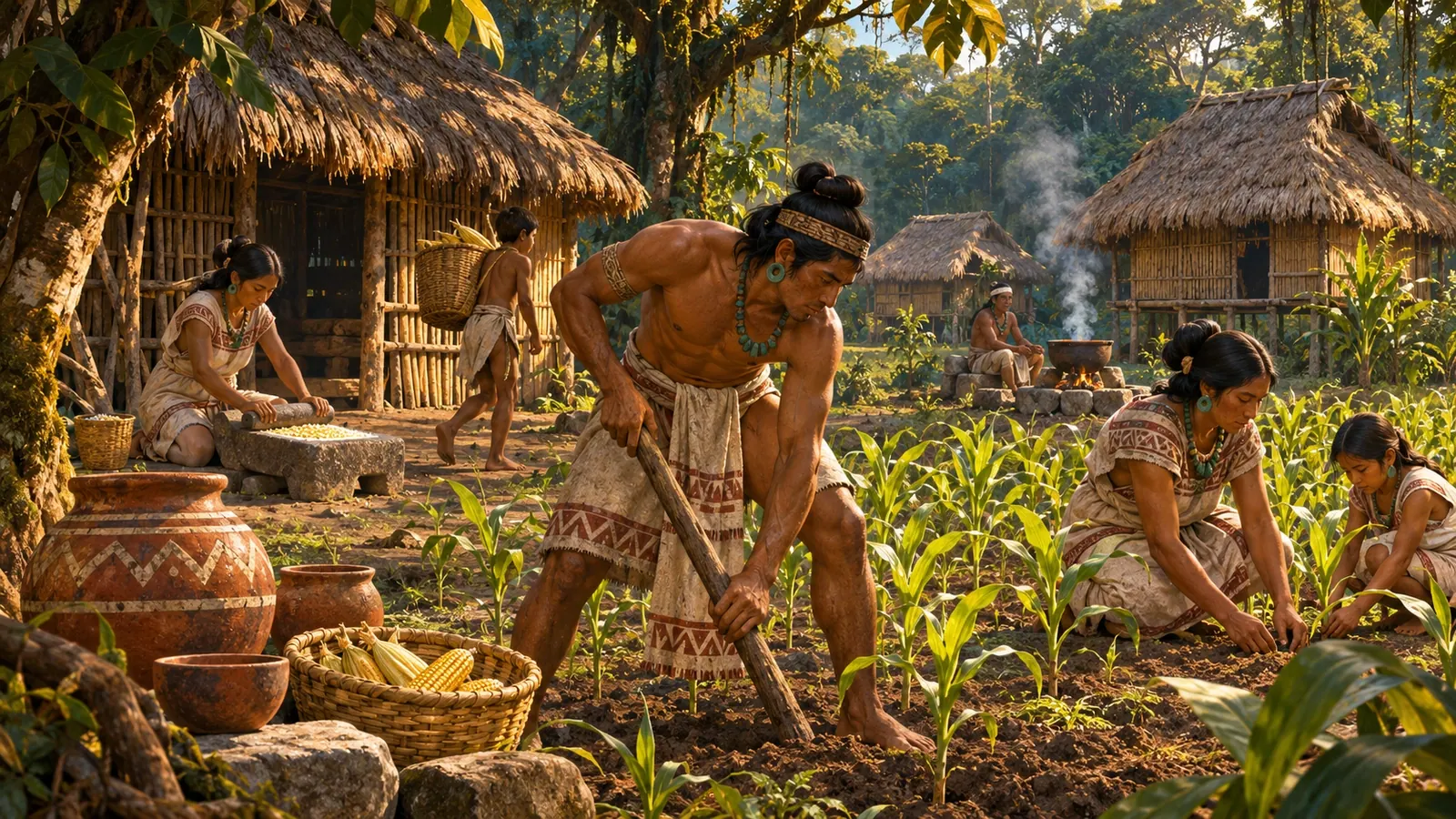
The early Maya of the Yucatán Peninsula and the Guatemalan lowlands began settling down to grow maize, and their settlements gradually expanded. At this stage the Maya lived only in scattered farming villages; the pyramids and writing for which they would later become famous had not yet appeared.
Calendar and writing take shape

The Maya developed a sophisticated system in which two calendars, of 260 days and 365 days, interlocked with each other, as well as a script combining phonetic and logographic signs, used to record dynastic history, astronomical observations and the ritual calendar. It is one of the most complete writing systems of the Americas.
Rival city-states of the Classic period
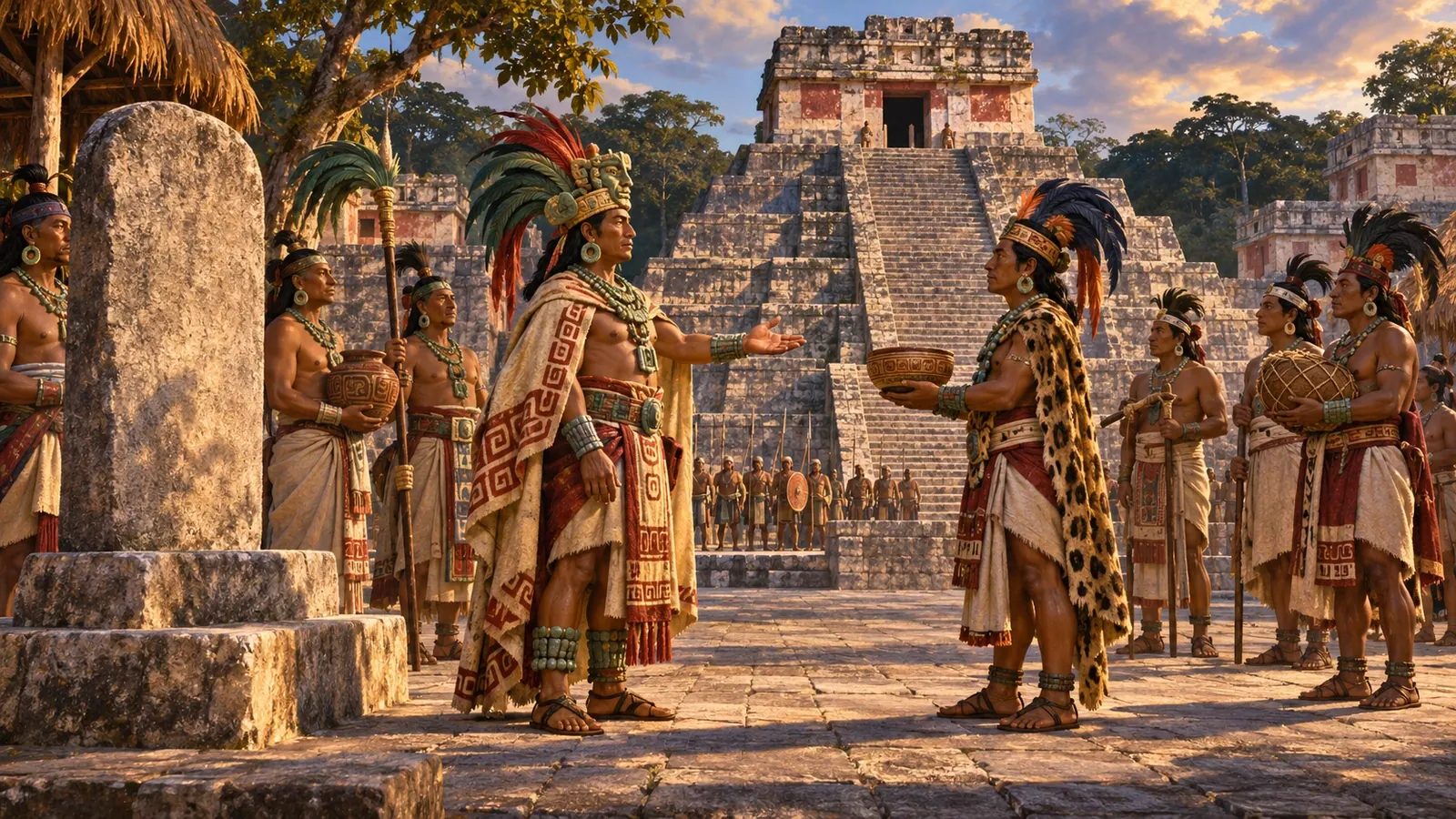
City-states such as Tikal, Calakmul and Copán each went their own way and never formed a unified empire; instead, like the city-states of ancient Greece, they vied for supremacy and formed alliances. Each city-state erected stelae recording its kings' military exploits and regnal dates, competing over whose ancestors were more illustrious.
Arrival of "Spearthrower Owl"
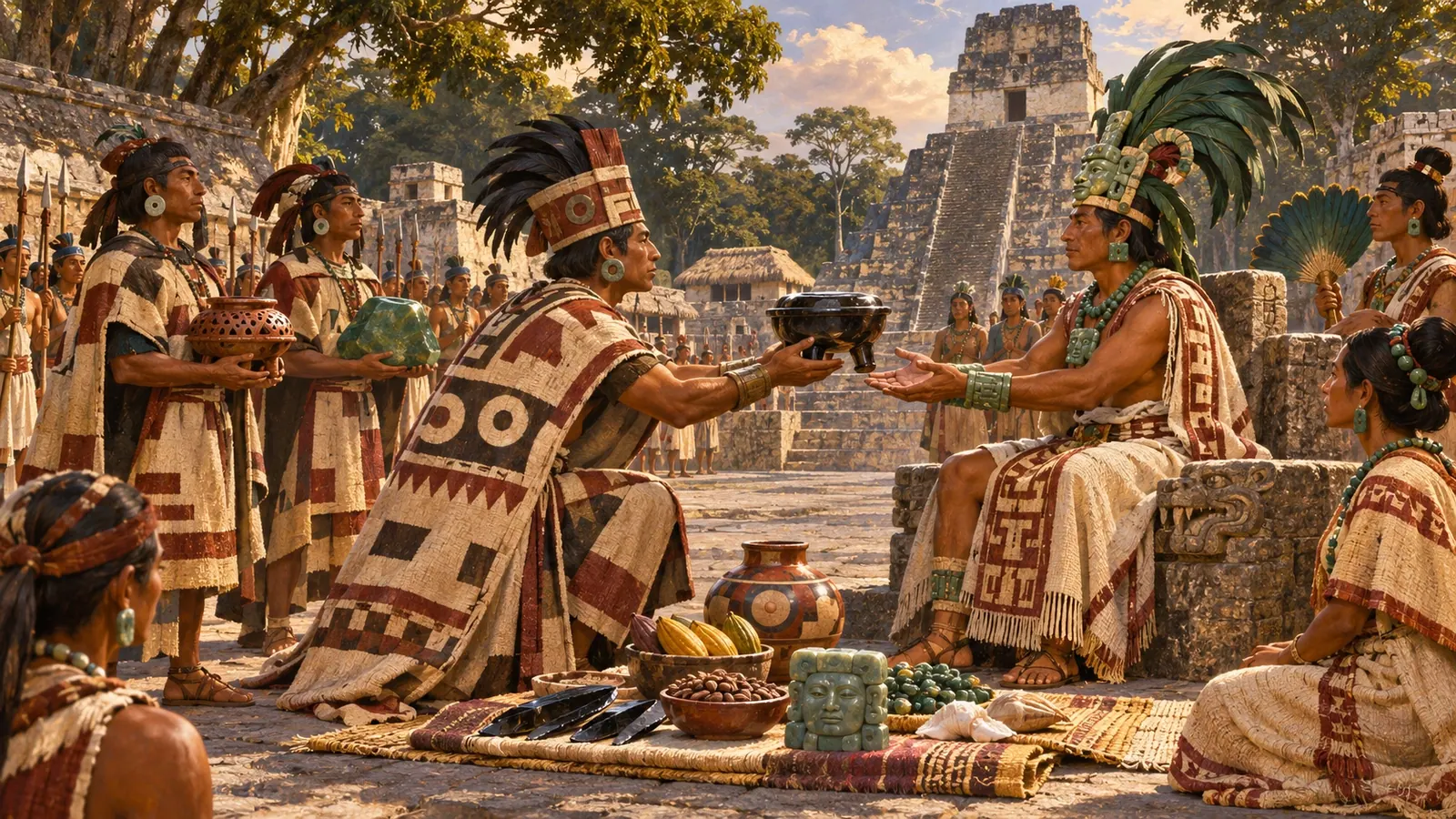
An envoy known as Siyaj K'ak' arrived at Tikal from distant Teotihuacan, overthrew the local royal family and installed a new king. Stela inscriptions show that the influence of this great city in central Mexico once penetrated deep into the political heart of the Maya world.
Tikal strikes back at Calakmul
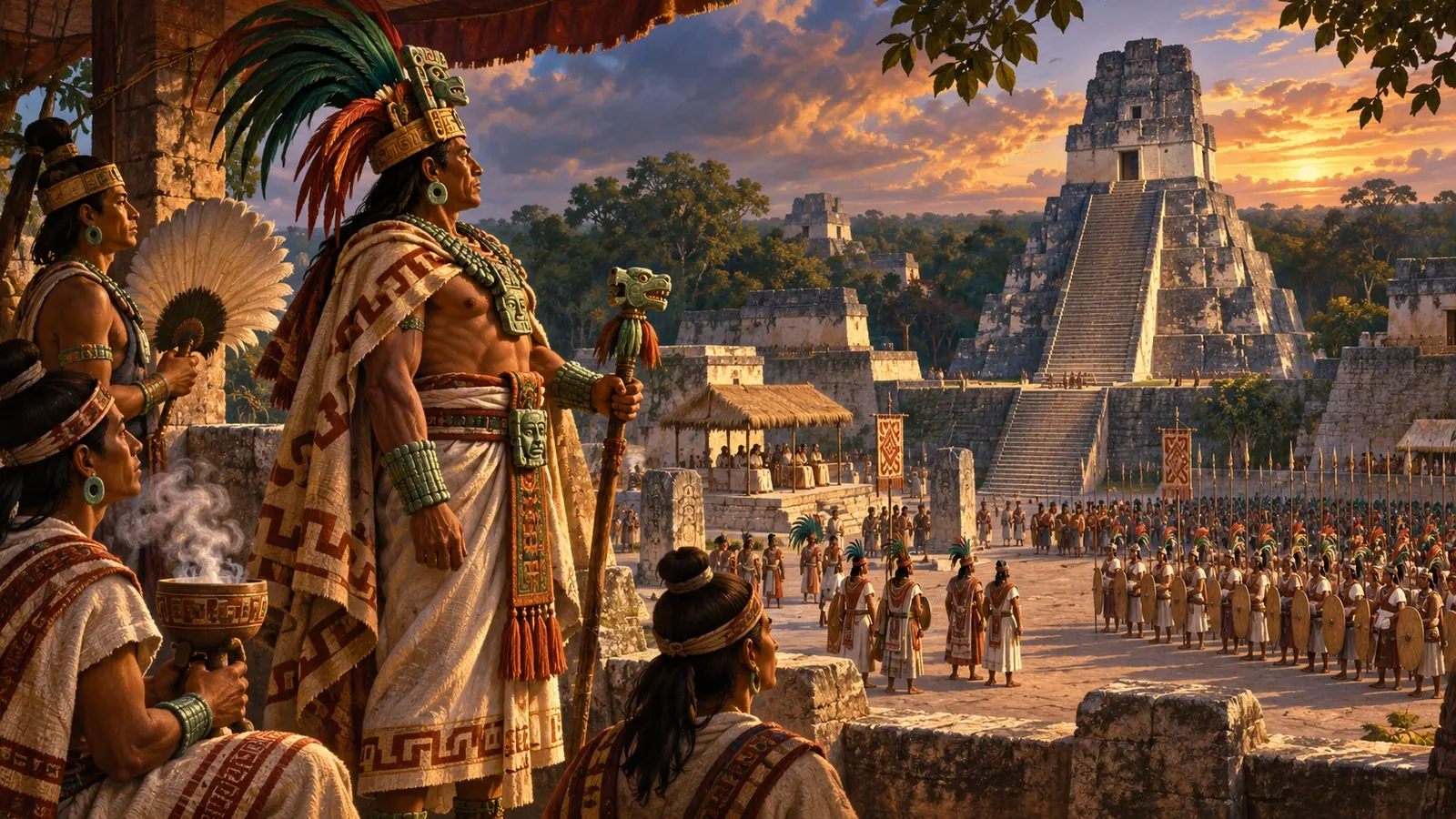
The King of Tikal, "Chak Tok," long the underdog, defeated Tikal's archenemy Calakmul on the battlefield and captured its king, reversing a century-long struggle for supremacy; Tikal once again rose to rank among the most powerful city-states of the Maya world.
The Classic Maya collapse
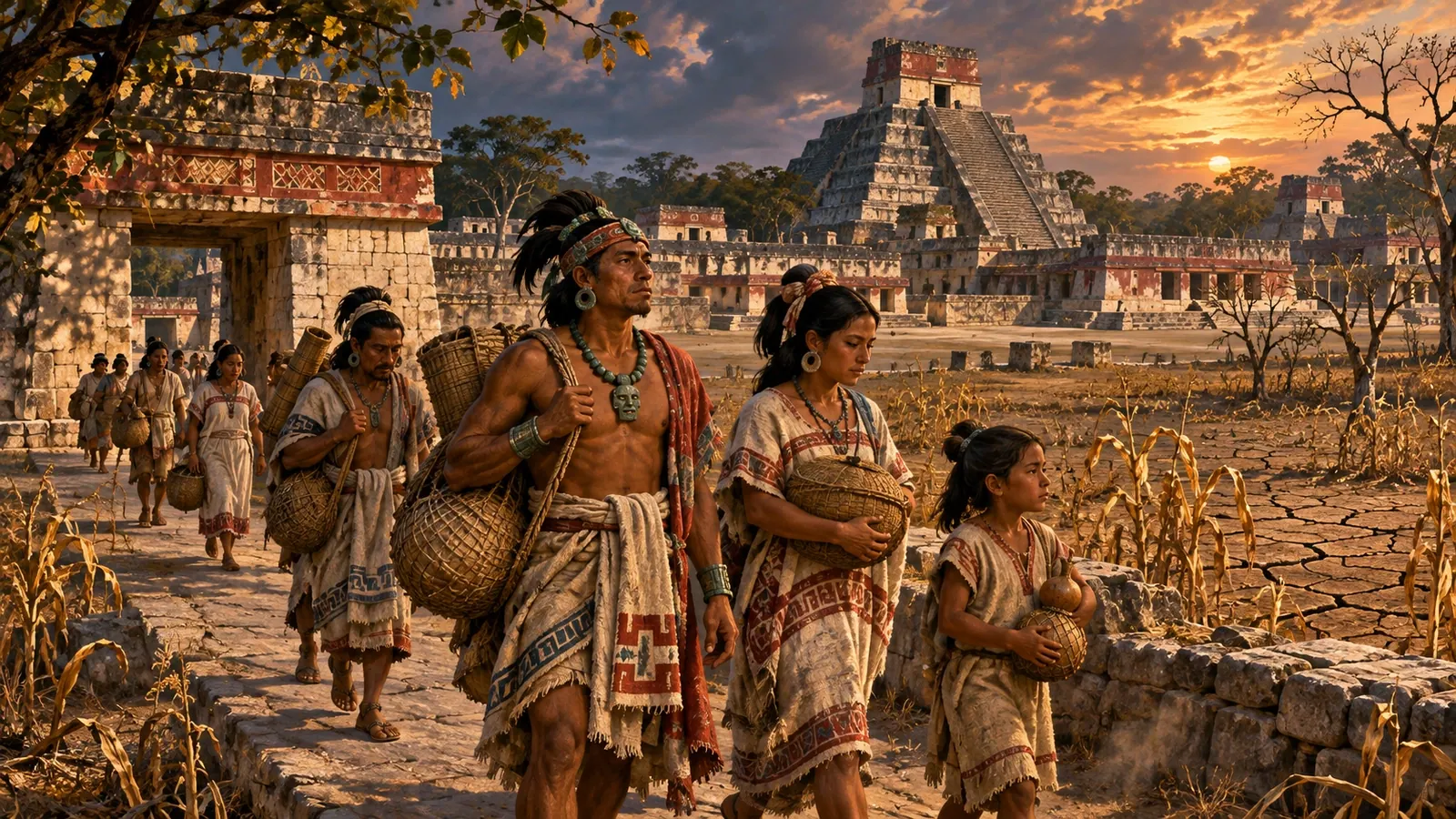
In little more than a century, large numbers of city-states in the Maya lowlands abandoned their capitals one after another, and the population fell sharply. Prolonged drought, ecological overload and endless warfare between city-states, intertwined, are the hypotheses scholars most commonly use to explain this "collapse"; its precise causes are still debated today.
The Spanish conquest
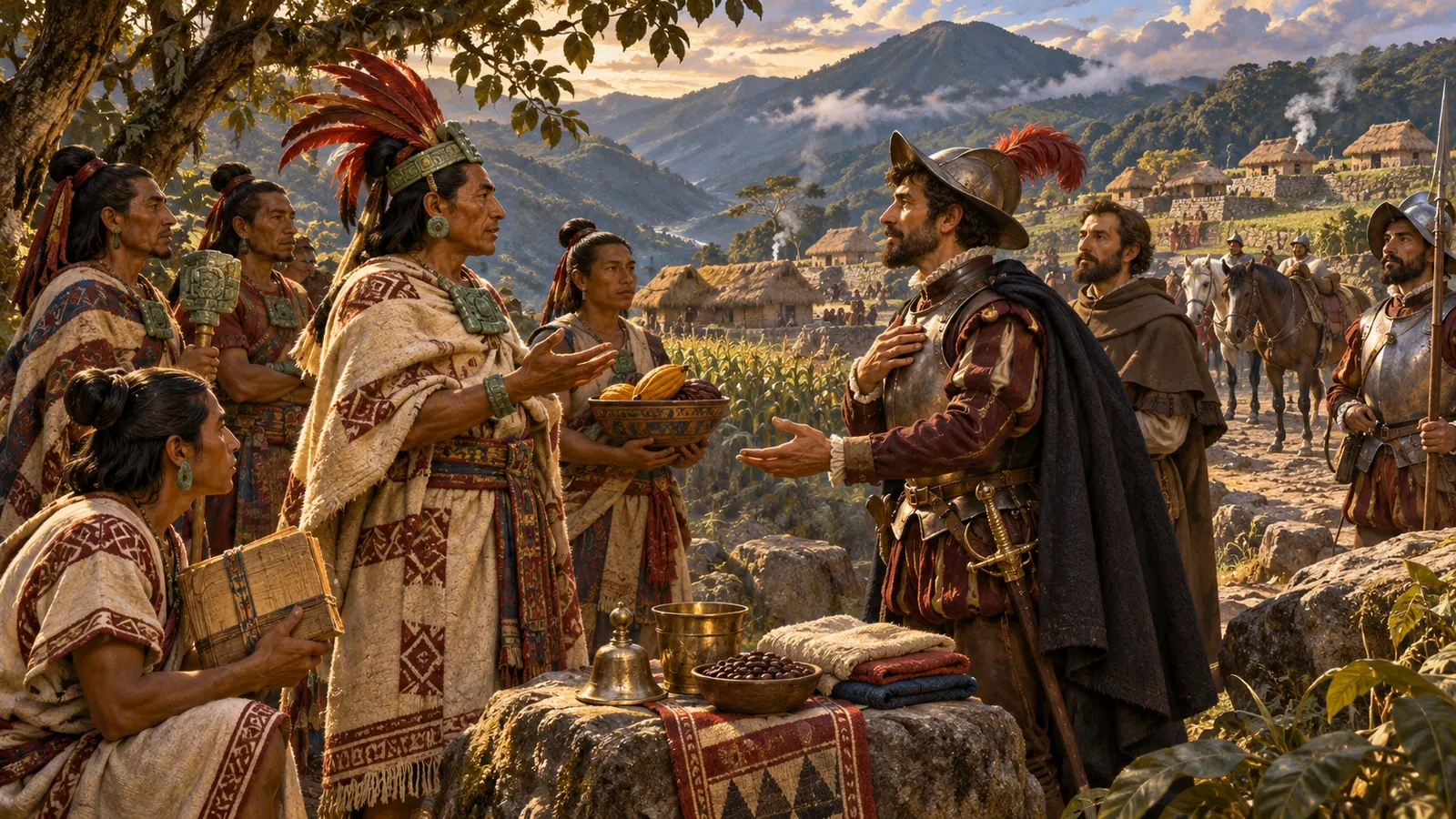
Pedro de Alvarado, a lieutenant of the Spaniard Cortés, led troops into the Guatemalan Highlands. But the Maya were not a single empire, and each state resisted separately; the last independent Maya kingdom, the Itza, was not fully conquered until 1697. The conquest took nearly 200 years.