The Rise of Islam: From Mecca to Medina
A merchant received his first revelation in a cave outside Mecca, and a dozen or so years later led his followers away to Medina—and a new faith took root.
Birth of Muhammad
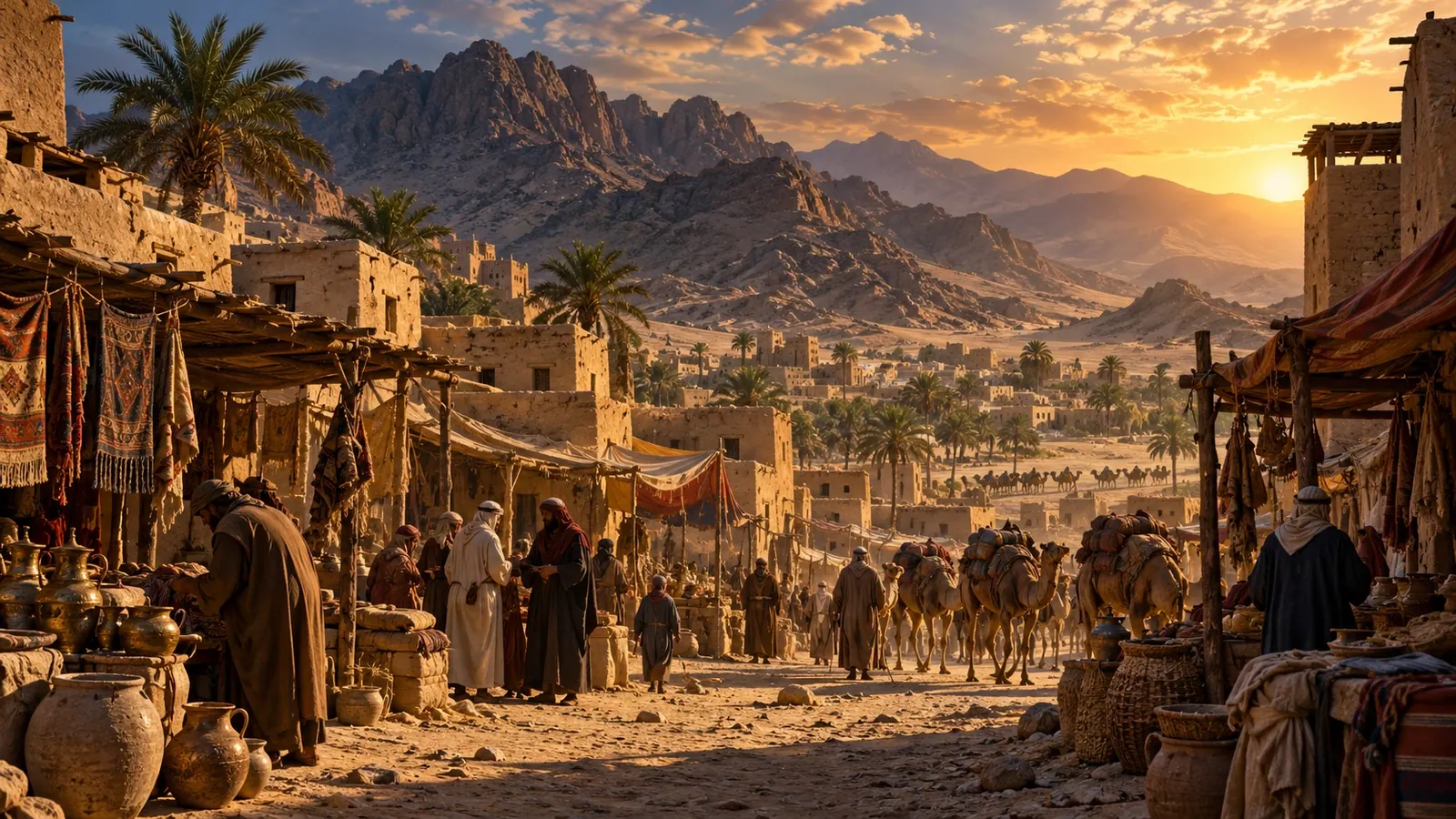
Muhammad was born into the Quraysh tribe of Mecca; according to tradition, in the year of his birth an army from the south had tried to attack the Kaaba in Mecca. Orphaned young, he was raised by his grandfather and uncle, and as a young man traveled with caravans to and from Syria, becoming known in his hometown for his honesty and trustworthiness.
Revelation in the Cave of Hira
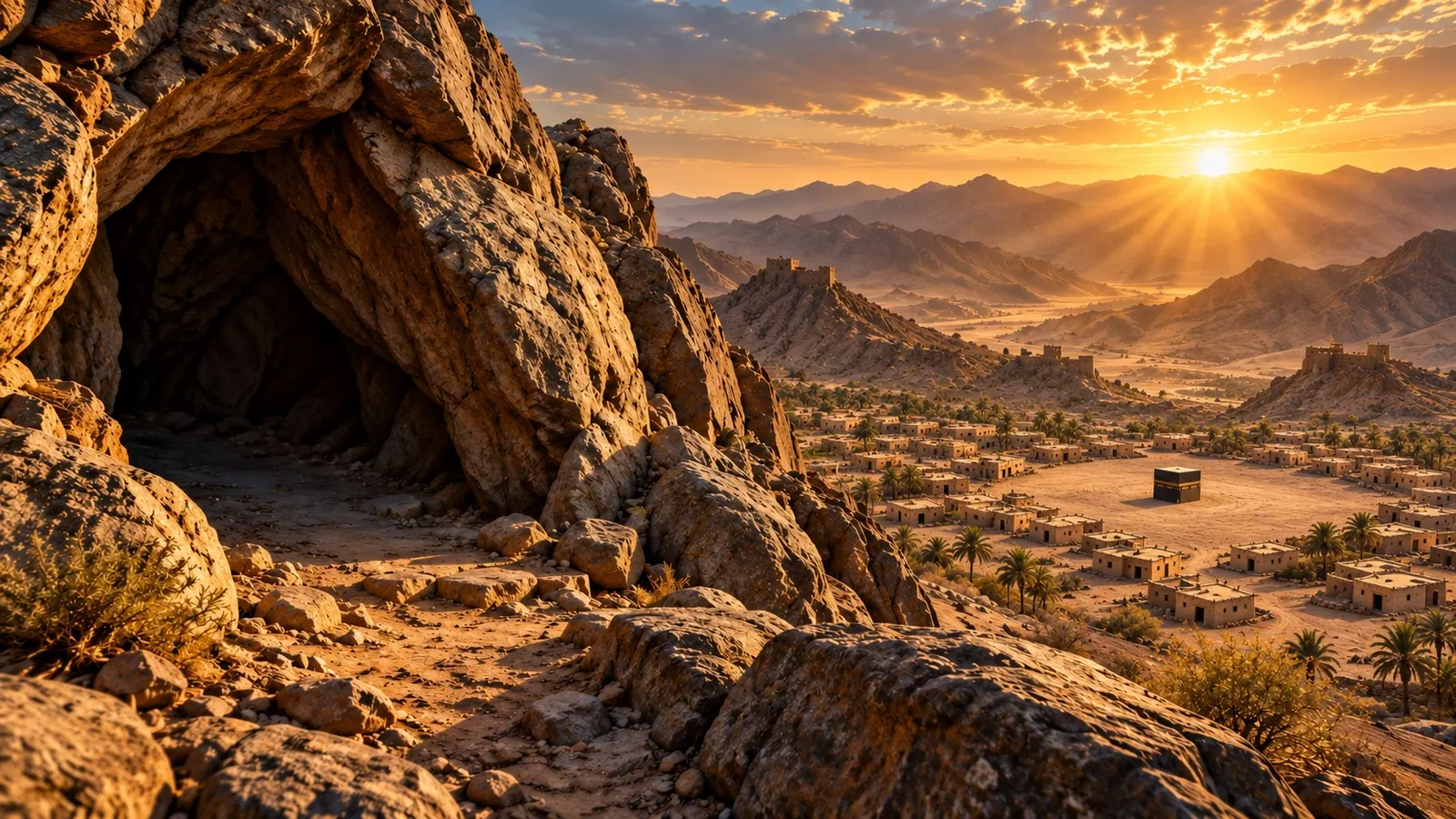
At forty, Muhammad often went alone to meditate in the Cave of Hira outside Mecca, where, according to tradition, the angel Gabriel delivered to him the first revelation, commanding him to "Recite." At first he was frightened and uneasy; it was the support of his wife Khadija that convinced him this was God's call.
Year of Sorrow
His beloved wife Khadija and his uncle Abu Talib, who had protected him for many years, died one after the other, while persecution by the Quraysh nobles of Mecca grew ever more intense. Having lost his two most important protectors, Muhammad and his followers suddenly found themselves in dire straits.
Hijra to Medina
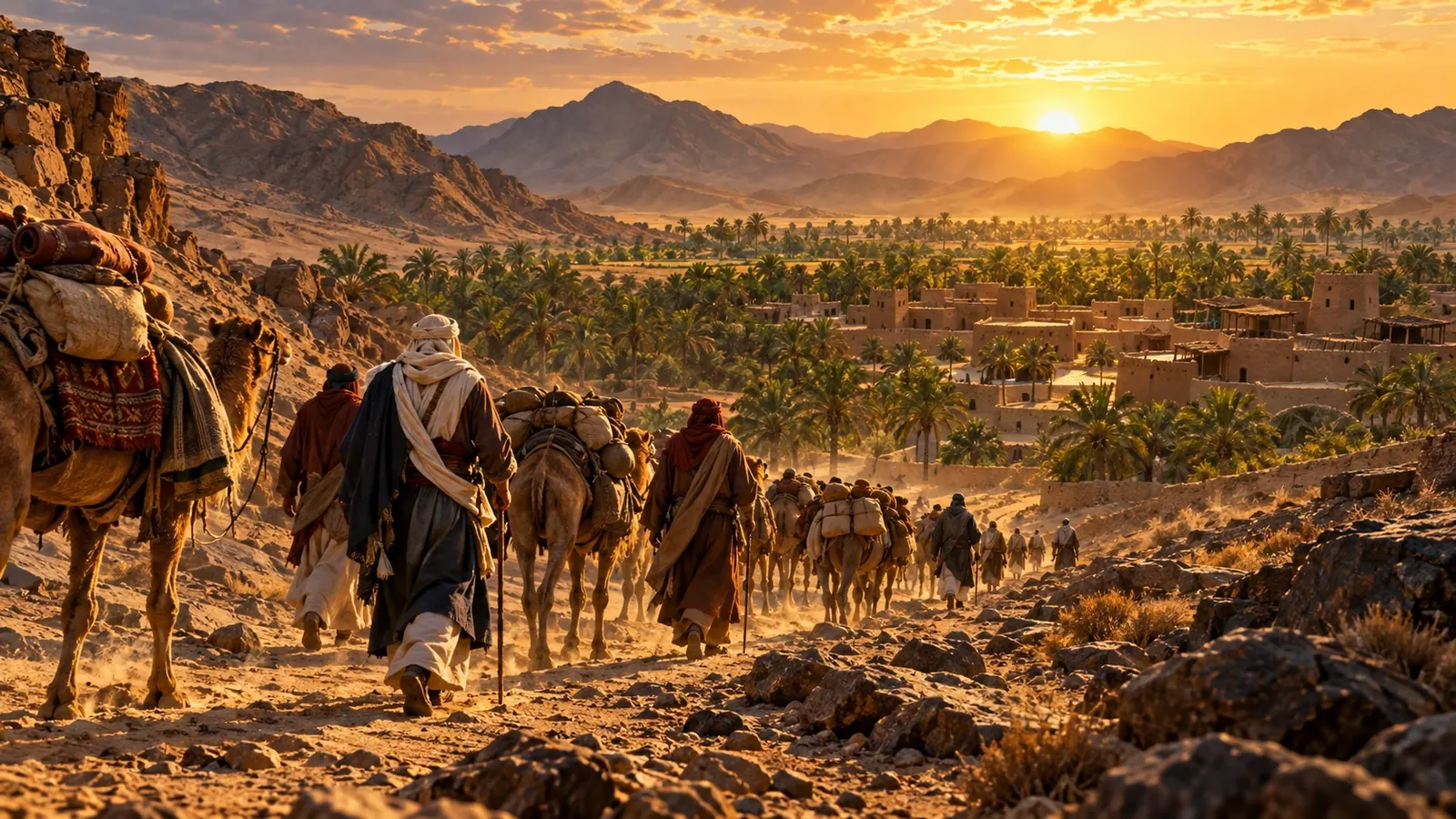
Muhammad led his followers secretly out of Mecca to the city of Yathrib in the north, which the local tribes soon renamed "Medina" (the City of the Prophet). This "Hijra" was designated Year 1 of the Islamic calendar, and for the first time a religious community had a political entity of its own.
Battle of Badr
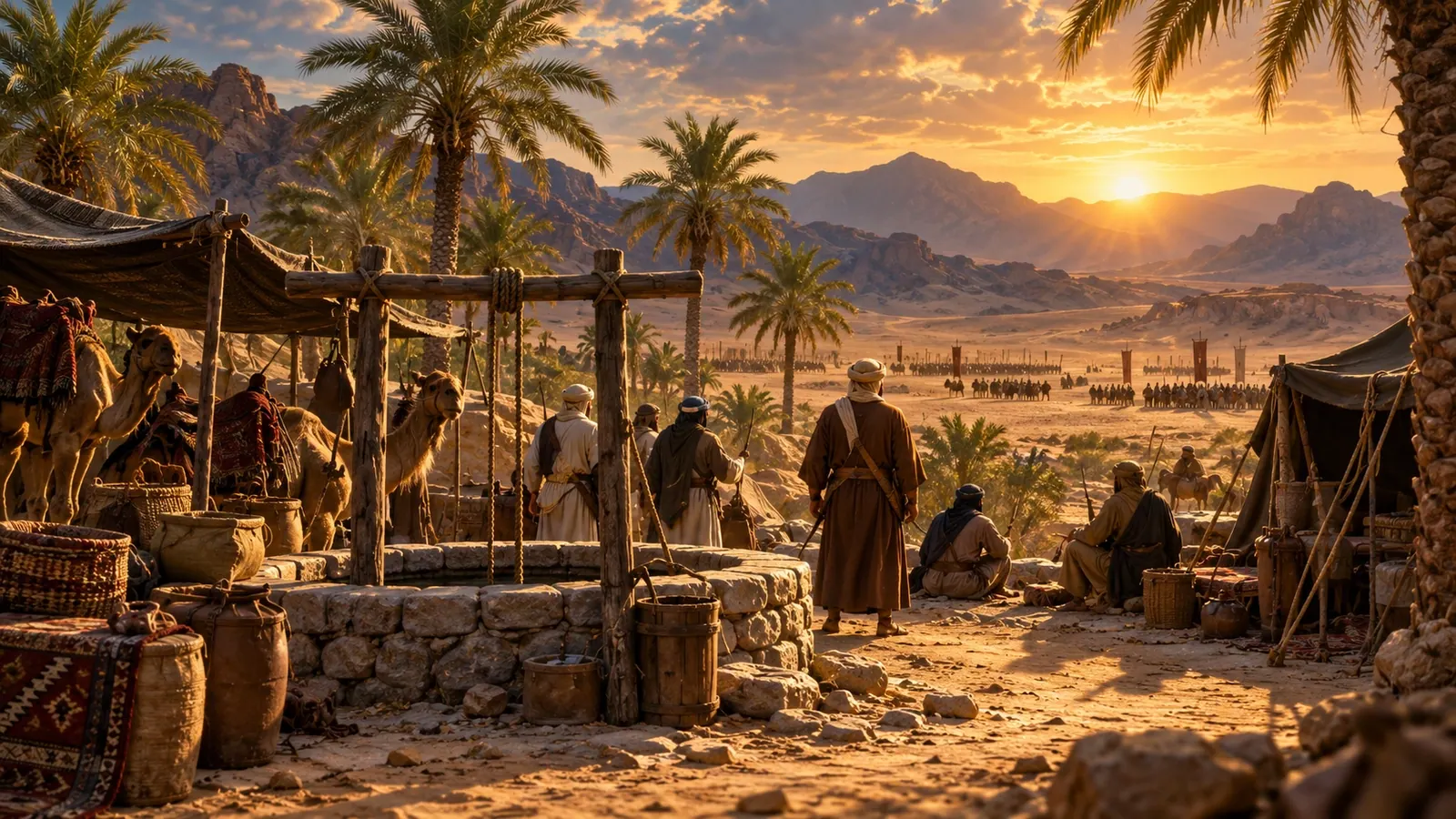
With forces far inferior to their opponents, the Muslims dealt the Meccan army a heavy blow at Badr. The battle was seen as clear proof of God's favor, greatly boosting the morale of the young Muslim community and rapidly raising Muhammad's prestige across the Arabian Peninsula.
Treaty of Hudaybiyyah
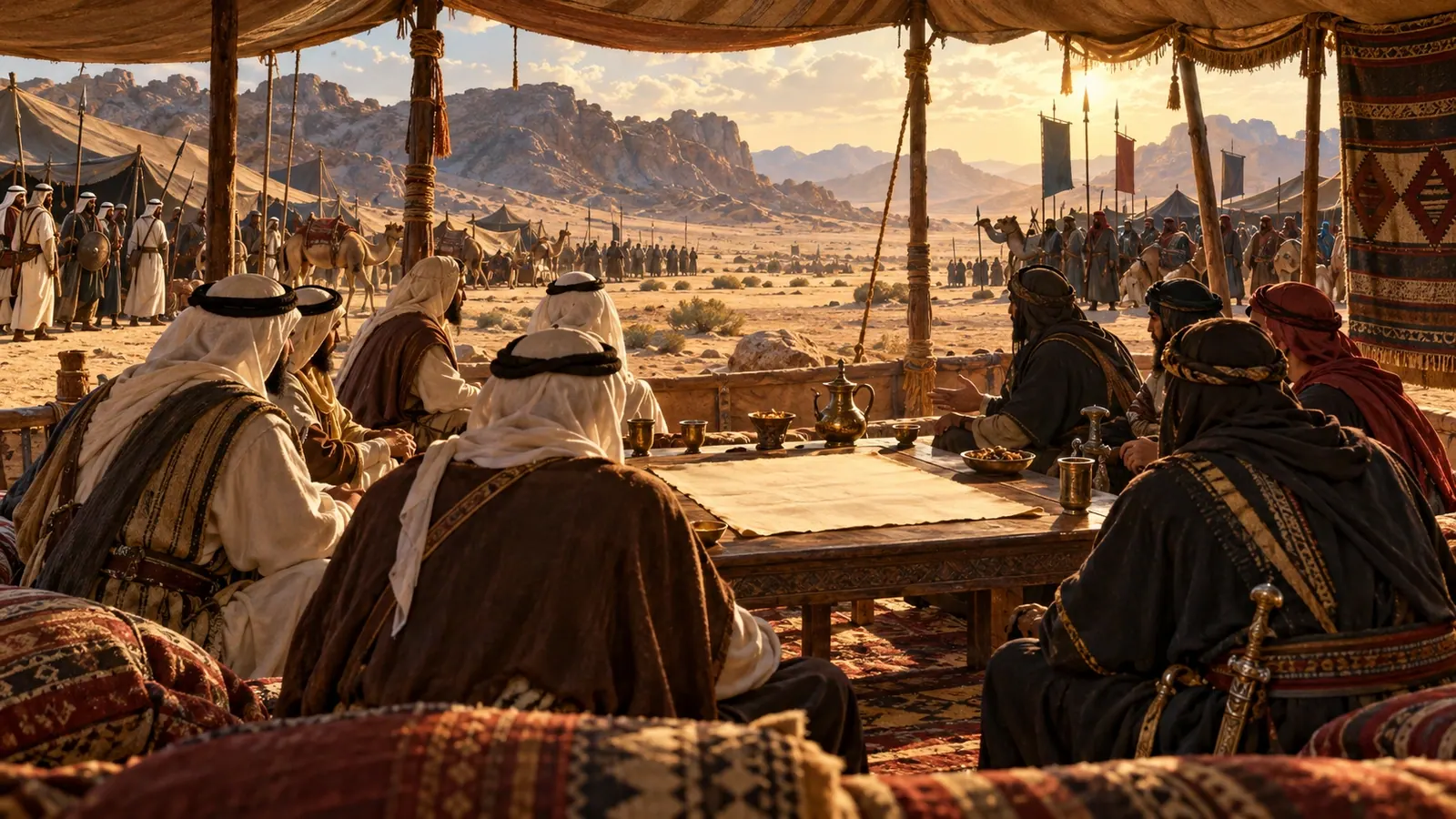
Muhammad led his followers on a pilgrimage to Mecca, and the two sides concluded a ten-year truce at Hudaybiyyah. On the surface the Muslims made many concessions, but in fact they gained precious time to spread the faith and consolidate their strength; before the ink on the agreement was dry, converts were streaming in.
Entering Mecca without bloodshed
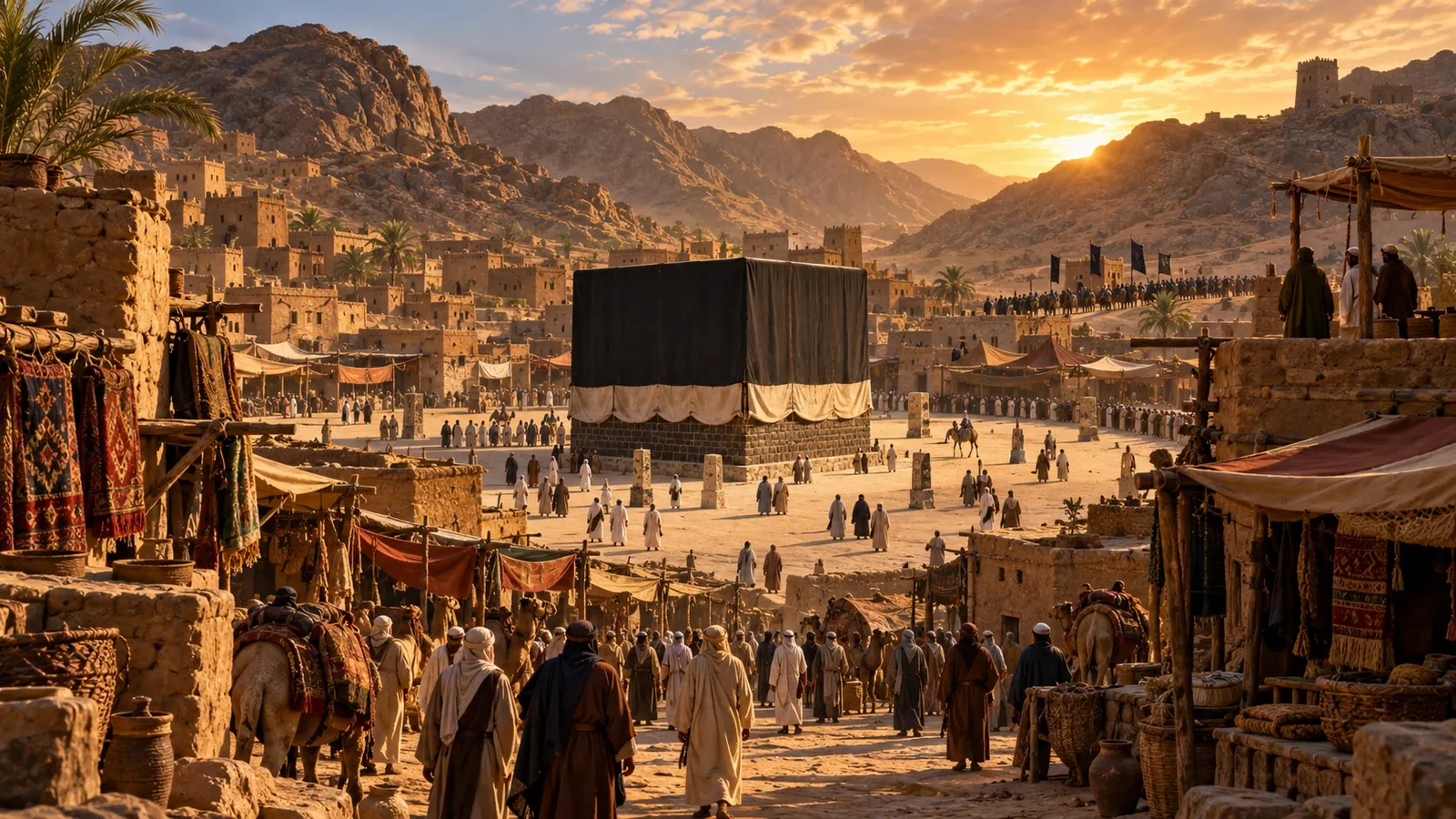
Muhammad led his army back to Mecca, and the Quraysh opened the gates and surrendered with almost no resistance. He ordered the destruction of the 360 idols in the Kaaba, yet proclaimed an amnesty for his former enemies. From then on Mecca became the holy city of Islam rather than a rival to be conquered.
Farewell Pilgrimage and death
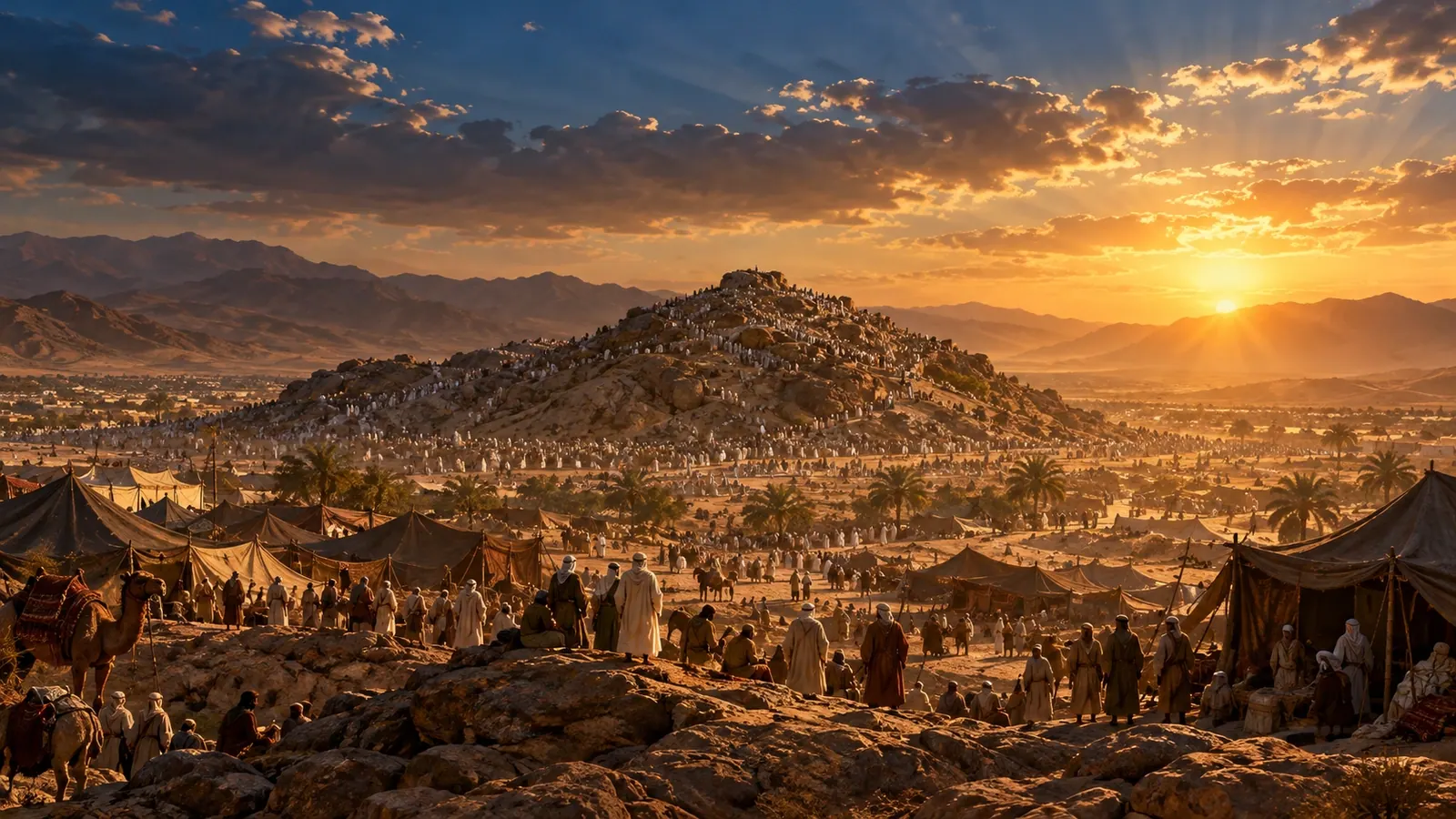
Muhammad led more than 100,000 followers in the "Farewell Pilgrimage," delivering his final sermon on Mount Arafat and stressing that all Muslims are brothers, regardless of race or rank. A few months later he died of illness in Medina, leaving behind a new community of faith that had unified most of the Arabian Peninsula but had not yet settled its rules of succession.