The route of Alexander's eastern campaign
Setting out from the small mountain kingdom of Macedon, he swept across the Persian Empire in thirteen years, fought his way to the Indus, and redrew the entire known world with a single map of his march.
Succeeds to the throne of Macedon
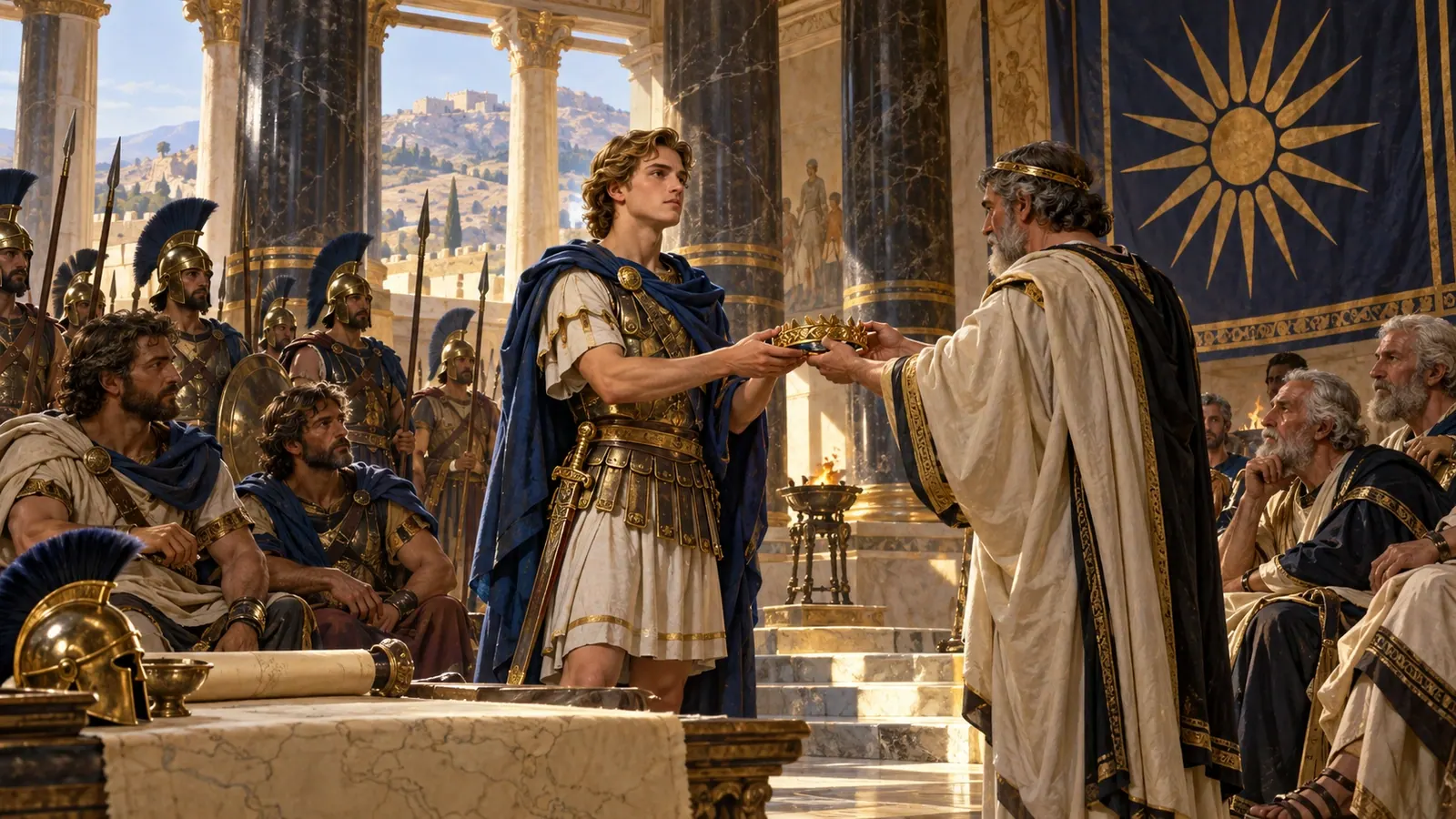
After his father Philip II of Macedon was assassinated, the twenty-year-old Alexander swiftly took the throne. He first crushed the renewed revolt of the Greek city-states with lightning force, even razing Thebes as a warning to others, and only then turned his gaze to Persia.
Battle of the Granicus
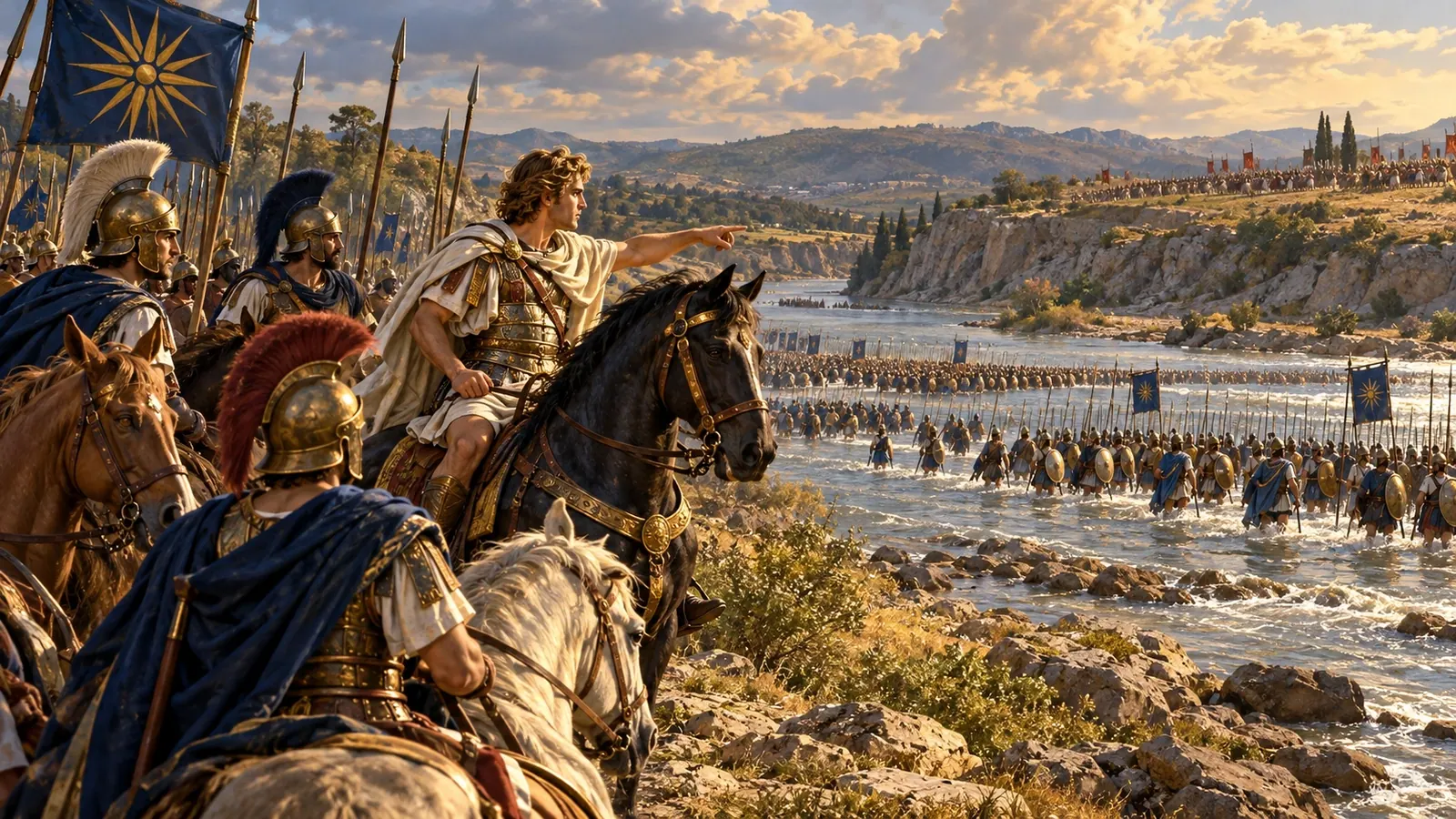
Alexander led his army across the Hellespont into Asia. In his first battle, at the Granicus River, he defeated a coalition of Persian satraps, then went on to liberate the Greek cities of Asia Minor along the way.
Battle of Issus
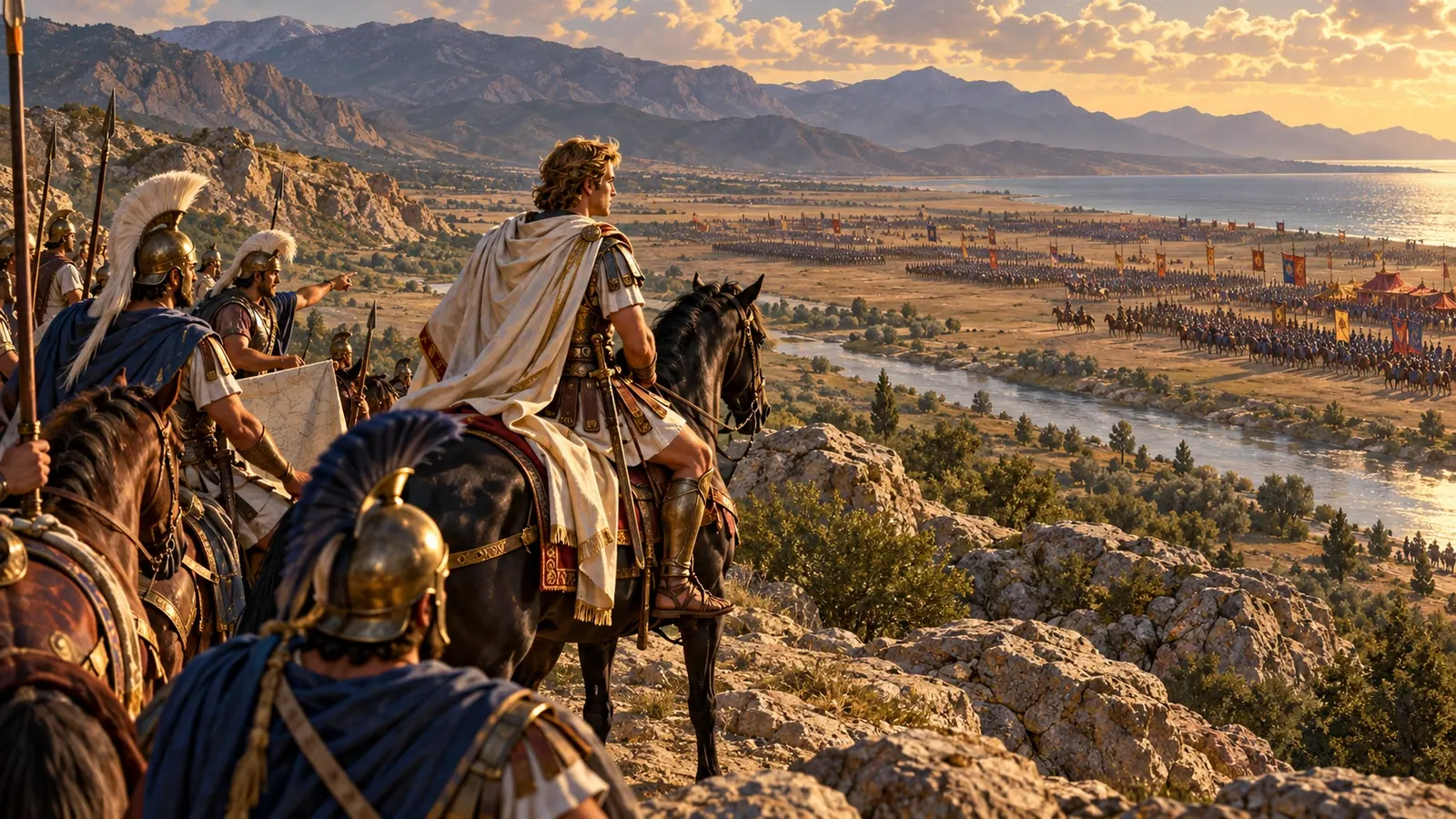
At Issus in what is now southern Turkey, Alexander personally led the Companion Cavalry in a flank charge straight into the heart of the enemy line. The Persian Great King Darius III abandoned his army and fled, leaving even the royal family behind on the battlefield.
Siege of Tyre and march into Egypt
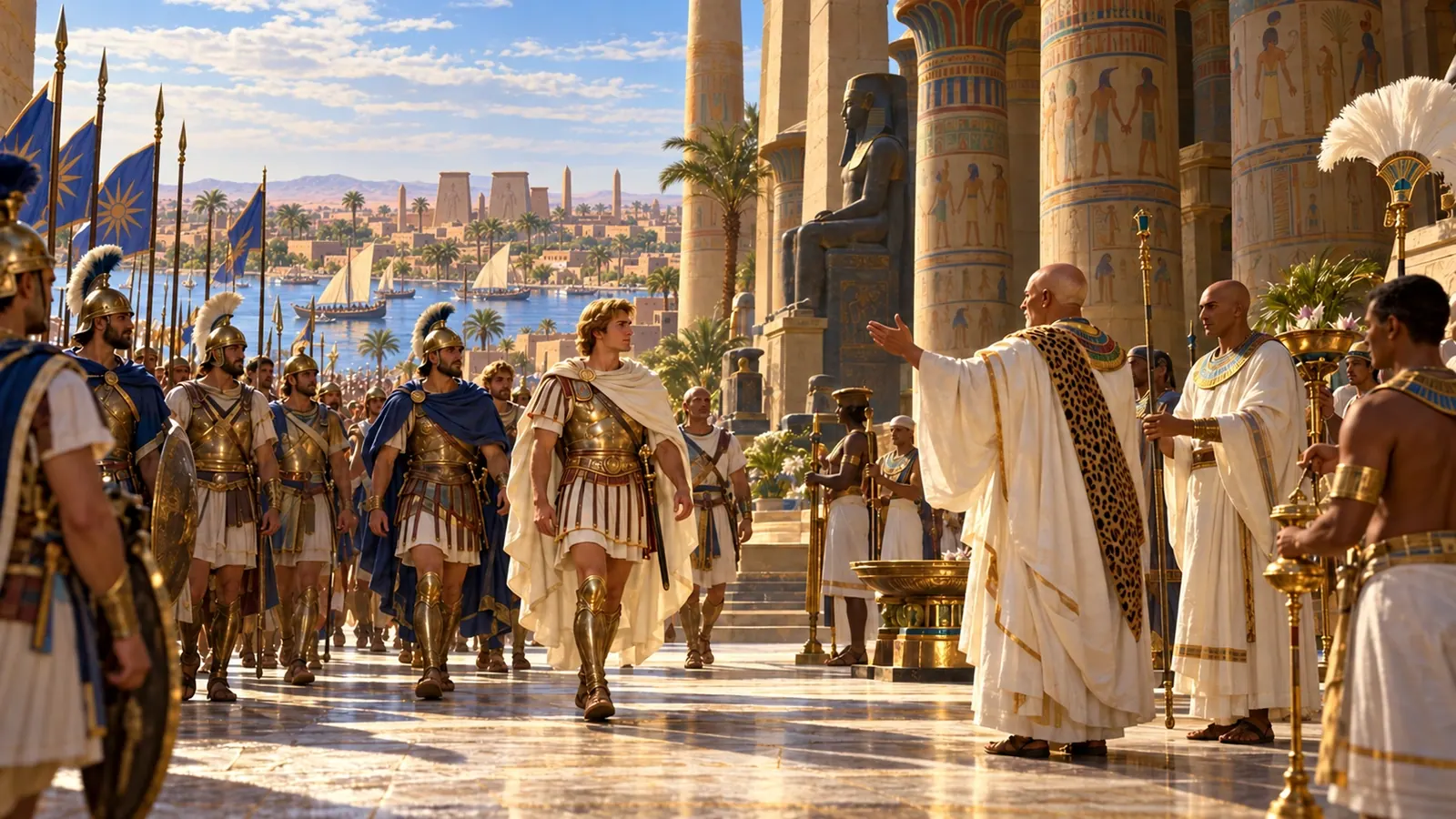
Alexander besieged the Phoenician port of Tyre for seven months before taking it, then entered Egypt almost without bloodshed, where the local priests hailed him as pharaoh. He also made a special journey to the Siwa Oasis to consult the oracle of Amun.
Decisive battle at Gaugamela

At Gaugamela on the Mesopotamian plain, Alexander, with a far smaller army, utterly routed the main force of the Persian Empire. Darius III was then killed by his own men, and the Achaemenid Empire, which had lasted two hundred years, came to an end.
Mutiny on the Hydaspes
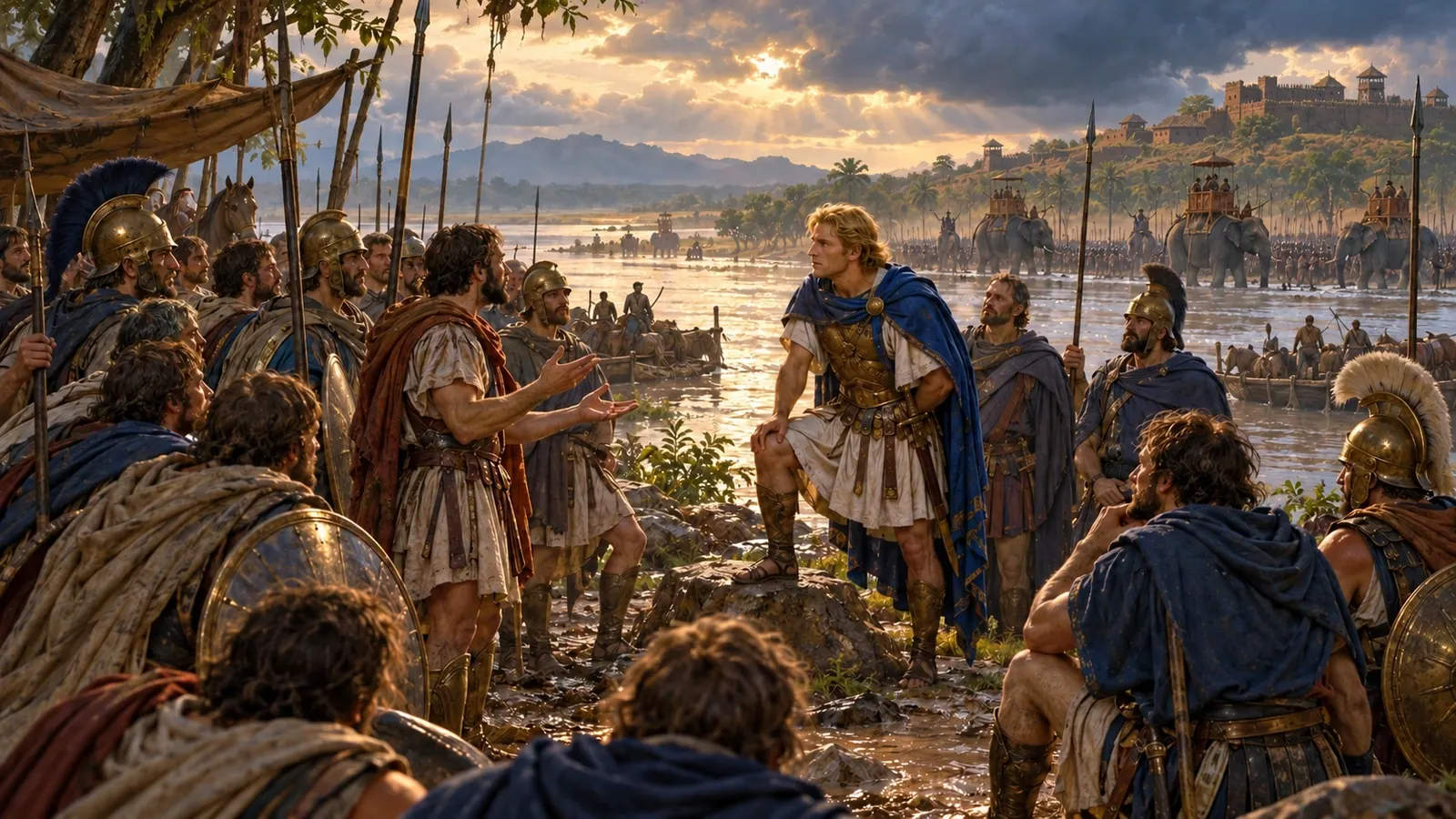
Alexander's army advanced deep into the Indus valley and won a costly victory after bloody fighting against the local king Porus. Then, on the banks of the Hyphasis, his soldiers mutinied en masse: after ten years of fierce fighting they refused to go a single step further east.
Death in Babylon and the empire's breakup

Alexander suddenly died of a high fever in Babylon at just thirty-two, without naming a clear heir. The vast empire he had built was soon carved up by his generals, beginning decades of the "Wars of the Diadochi."