Robert Walpole
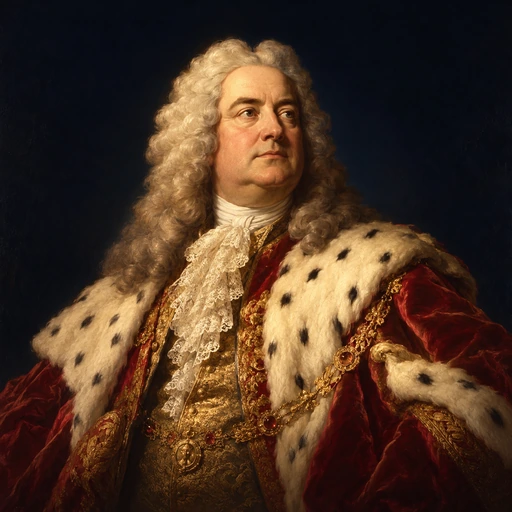
Britain's de facto first prime minister and the first occupant of 10 Downing Street.
Life
Whig squire
Walpole was a Whig squire from Norfolk. When the South Sea Company stock bubble burst in 1720 and set off a financial panic, he stepped in to stabilize the public finances, and the following year became Chancellor of the Exchequer and First Lord of the Treasury.
South Sea Bubble
For the next 21 years (1721–1742), relying on the trust of Kings George I and George II and a majority in the House of Commons, he effectively dominated the cabinet and is regarded as Britain's first prime minister. He pursued a peaceful foreign policy, low taxes, and support for commerce. In 1735 he accepted 10 Downing Street as a gift from the king, and it has since been the prime minister's official residence.
10 Downing Street
In 1739 he was forced to go to war with Spain (the War of Jenkins' Ear). In 1742, after losing his majority in Parliament, he resigned; he died in 1745.
Legacy
Walpole established the convention that the prime minister governs with the backing of a majority in the House of Commons, making him a key figure in the formation of Britain's parliamentary cabinet system.
Did you know? He himself never accepted the title "Prime Minister," which at the time still carried a pejorative sense.
Key dates
- 1721Becomes First Lord of the Treasury
- 1733Excise Crisis
- 1735Moves into 10 Downing Street
- 1739Goes to war with Spain
- 1742Resigns
- 1745Died