Getúlio Vargas
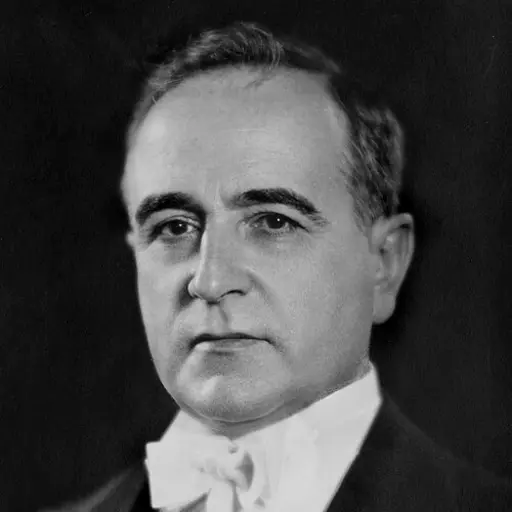

The Brazilian leader who came to power in the Revolution of 1930 and governed twice, the shaper of the modern Brazilian state.
Life
Rise from the south
Vargas was born in 1882 in São Borja, Rio Grande do Sul, a small border town. After studying law he entered local politics, and in the 1920s he served as federal finance minister and then as governor of Rio Grande do Sul. In 1930 he lost the presidential election as the opposition candidate, then promptly rose in revolt with the support of the south and states such as Minas Gerais, overthrowing the Old Republic, in which the oligarchies of São Paulo and Minas Gerais had taken turns in power, and became head of the provisional government.
Estado Novo era
For the next fifteen years he ruled successively as head of the provisional government, constitutional president and dictator. In 1937 he staged a self-coup and established the "Estado Novo," dissolving Congress and imposing censorship, while also introducing a minimum wage and the Labor Code, founding state-owned steel and mining companies and driving state-led industrialization; his supporters called him the "Father of the Poor." Brazil joined the Allies in World War II, and in 1945 he was forced from power by the military.
Oil and suicide
In 1950 he returned to the presidential palace through a popular election and created Petrobras under the slogan "The oil is ours." Accusations from political rivals, an assassination attempt against an opposition journalist and pressure from the military followed one after another, and on August 24, 1954, he shot himself in the presidential palace, leaving a suicide letter. The labor politics and tradition of state intervention he pioneered profoundly shaped Brazilian politics thereafter, and he remains a divisive figure to this day.
Legacy
Vargas is regarded as one of the most important Brazilian politicians of the 20th century. He ended the Old Republic, in which regional oligarchies took turns in power, built a centralized modern state apparatus, and promoted industrialization and labor legislation, laying the foundations of Brazil's tradition of social welfare and state intervention. During the Estado Novo, however, he dissolved Congress, imposed censorship and repressed the opposition, giving his rule a clearly dictatorial character. His suicide made him, in his legacy, a symbol of nationalism and the labor movement.
Major works & achievements
- Led the Revolution of 1930
- Established the Estado Novo regime
- Issued the Consolidation of Labor Laws and a minimum wage
- Created Petrobras
Did you know? Petrobras, the oil company he created, was founded in 1953 and remains one of Brazil's largest companies today.
Key dates
- 1882Born in São Borja, Rio Grande do Sul
- 1928Became governor of Rio Grande do Sul
- 1930Led the Revolution of 1930 and became head of the provisional government
- 1934Elected president under the new constitution
- 1937Staged a self-coup and established the Estado Novo
- 1943Issued the Consolidation of Labor Laws
- 1945Forced from power by the military
- 1951Elected president again by popular vote
- 1953Created Petrobras
- 1954Took his own life in the presidential palace